- This topic is empty.
-
AuthorPosts
-
2026-03-02 at 2:26 pm #12306
Elevators are an integral part of modern commercial buildings, providing convenient and efficient vertical transportation for employees, customers, and visitors. Among the various elevator components, the elevator traction system plays a pivotal role in ensuring smooth, safe, and reliable operation. For building owners, facility managers, and developers, investing in high-quality elevator traction systems is crucial to enhance building performance, safety standards, and long-term operational efficiency. This article explores the importance of elevator traction systems, the benefits of selecting high-quality solutions, key features to consider, and industry best practices for commercial buildings.
Understanding Elevator Traction Systems
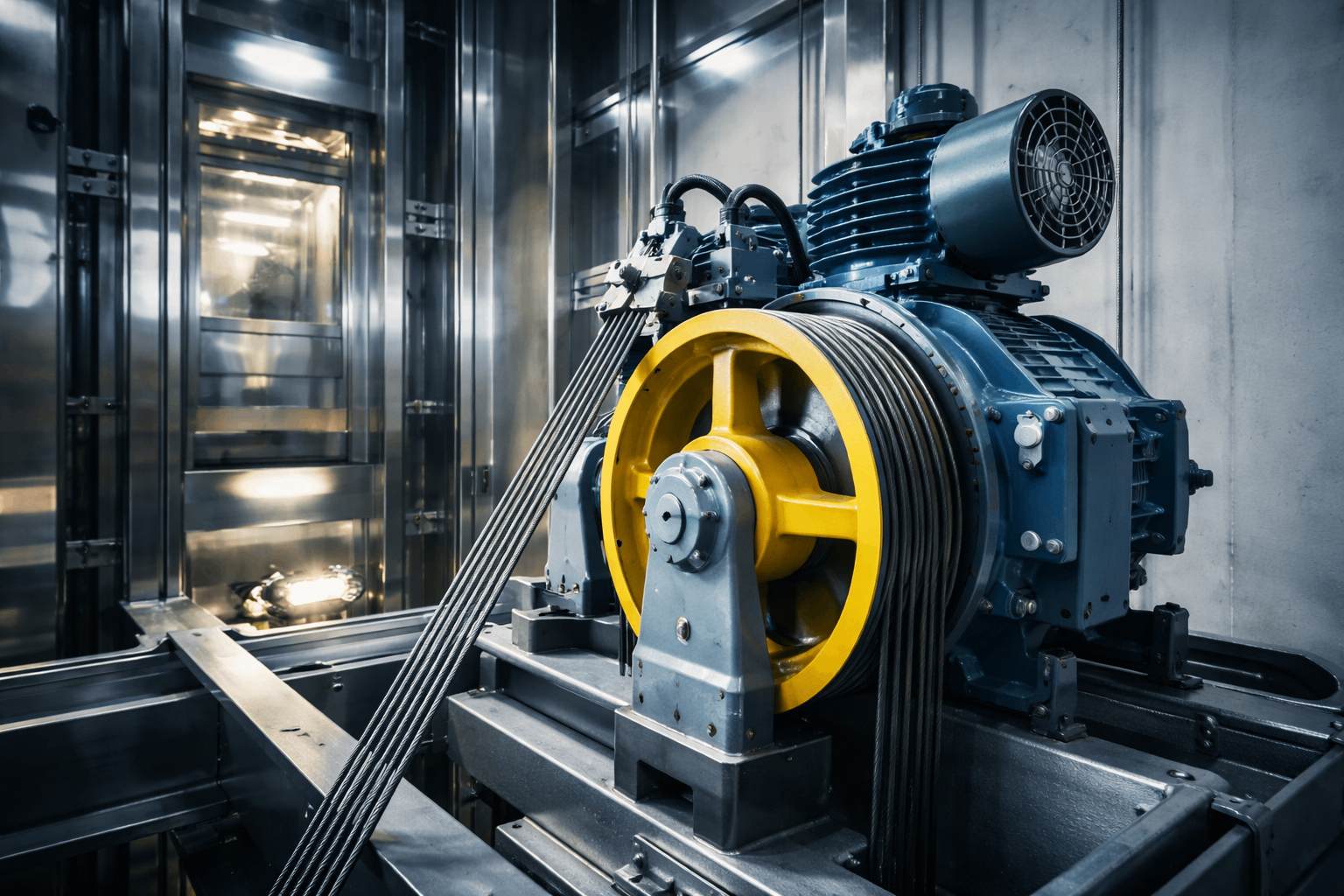
An elevator traction system refers to the mechanism responsible for moving the elevator car up and down the shaft. Unlike hydraulic elevators, which rely on fluid pressure, traction elevators use ropes or belts connected to a counterweight, driven by a motorized sheave. The traction system includes several essential components:
-
Traction Machine (Motor and Sheave): The motor drives the sheave, which in turn moves the ropes that lift the elevator car. Gearless and geared traction machines are commonly used in commercial applications.
-
Ropes or Belts: Steel ropes or advanced composite belts connect the elevator car to the counterweight, ensuring smooth movement.
-
Counterweights: Counterweights balance the elevator car’s weight, reducing the energy required to move the elevator.
-
Brake Systems: High-quality traction systems include reliable brakes that provide emergency stopping capability.
-
Controllers and Safety Devices: Modern systems integrate sophisticated controllers that regulate speed, acceleration, and deceleration, along with safety devices like overspeed governors and buffers.
Understanding these components is fundamental for selecting a traction system that meets both operational and safety requirements for commercial buildings.
Advantages of High-Quality Elevator Traction Systems
Choosing a high-quality elevator traction system offers numerous benefits for commercial buildings:
1. Enhanced Safety and Reliability
Safety is the top priority for any elevator installation. High-quality traction systems are built with precision-engineered components that reduce the risk of mechanical failure. Features such as redundant braking systems, advanced monitoring, and safety governors ensure that elevators operate safely even under heavy usage. For commercial buildings with high foot traffic, such as offices, hotels, or shopping centers, reliable elevators are critical to prevent accidents and maintain public trust.
2. Improved Energy Efficiency
Modern elevator traction systems are designed with energy efficiency in mind. Gearless traction motors, regenerative drives, and lightweight materials minimize energy consumption while providing smooth performance. Investing in an energy-efficient traction system not only reduces operational costs but also supports environmental sustainability initiatives, which are increasingly important in green building certifications like LEED or BREEAM.
3. Smoother Ride Experience
High-quality traction systems ensure smooth acceleration and deceleration, reducing jerks and vibrations that can cause discomfort to passengers. In commercial environments where elevators are frequently used, providing a smooth ride contributes to occupant comfort, user satisfaction, and the overall reputation of the building.
4. Lower Maintenance Costs
Elevator maintenance can be a significant expense, particularly in high-rise commercial buildings. Premium traction systems are designed for durability, with components that resist wear and require less frequent replacement. This translates into lower maintenance costs, fewer service interruptions, and a longer lifespan for the elevator system.
5. Flexibility for High-Rise Applications
Commercial buildings often demand high-speed and high-capacity elevators to accommodate large numbers of passengers. High-quality traction systems are capable of supporting taller buildings and heavier loads, making them ideal for skyscrapers, office towers, and luxury hotels. Gearless traction systems, in particular, are preferred for high-rise applications due to their smooth operation and ability to handle higher speeds.
Key Features to Look for When Purchasing Elevator Traction Systems
When selecting an elevator traction system for a commercial building, consider the following features:
1. Type of Traction Machine
-
Gearless Traction Machines: Ideal for high-rise buildings, offering smooth and quiet operation, energy efficiency, and lower maintenance.
-
Geared Traction Machines: Suitable for mid-rise commercial buildings, providing cost-effective performance with reliable operation.
2. Load Capacity
Commercial elevators often require higher load capacities, ranging from 1,000 kg to over 2,500 kg. Ensure that the traction system can handle both the maximum car weight and anticipated passenger load.
3. Speed Rating
High-rise commercial buildings benefit from faster elevators. Gearless traction systems can achieve speeds of up to 10 m/s, while geared systems are typically limited to lower speeds. Selecting the appropriate speed ensures minimal wait times and efficient traffic management.
4. Safety Features
Look for systems that include:
-
Overspeed governors
-
Emergency brakes
-
Door interlocks
-
Seismic protection (for earthquake-prone regions)
-
Fire-rated components
5. Noise and Vibration Control
Modern commercial buildings demand quiet operation. Quality traction systems incorporate vibration-damping mechanisms, precision-mounted motors, and sound insulation to minimize operational noise.
6. Smart Controllers and Monitoring
Advanced traction systems integrate smart controllers that allow remote monitoring, predictive maintenance, and performance analytics. These features help facility managers optimize elevator usage, detect early signs of wear, and reduce downtime.
7. Energy Efficiency Features
Energy-saving technologies include:
-
Regenerative drives that return energy to the building’s power grid
-
LED lighting in cabins and machine rooms
-
Lightweight ropes or belts that reduce motor load
Industry Best Practices for Elevator Traction Systems in Commercial Buildings
1. Partner with Reputable Manufacturers
Purchasing from a reputable elevator traction system manufacturer ensures compliance with international safety standards (e.g., EN81, ASME A17.1) and access to professional support services. Leading manufacturers provide warranties, technical guidance, and post-sale maintenance programs that protect your investment.
2. Tailor the System to Building Design
Commercial buildings vary in height, footprint, and passenger flow. Work with elevator consultants to design a traction system that aligns with the building’s architecture, anticipated traffic patterns, and aesthetic requirements. Properly tailored systems enhance performance and minimize operational bottlenecks.
3. Regular Maintenance and Inspections
Even high-quality systems require periodic maintenance to ensure peak performance. Establish a preventive maintenance schedule that includes inspection of ropes, motors, brakes, controllers, and safety devices. Regular maintenance extends the lifespan of the elevator system and ensures compliance with local safety regulations.
4. Incorporate Advanced Safety Protocols
Safety should never be compromised. For commercial buildings, consider integrating:
-
Firefighter operation modes
-
Emergency evacuation procedures
-
Automated diagnostic systems for detecting anomalies
-
Seismic and wind sway compensations for high-rise towers
5. Plan for Future Upgrades
Elevator technology is continuously evolving. Selecting a traction system with modular components allows for future upgrades, such as energy-efficient drives, advanced controllers, or IoT-based monitoring systems. Planning ahead helps avoid costly overhauls as building requirements change over time.
The Cost-Benefit Perspective
While high-quality elevator traction systems require a higher initial investment compared to budget alternatives, the long-term benefits far outweigh the upfront costs. Key considerations include:
-
Reduced Downtime: Fewer mechanical failures mean that elevators are available when needed, enhancing building operations.
-
Lower Energy Bills: Energy-efficient systems significantly reduce electricity consumption over the life of the elevator.
-
Enhanced Tenant Satisfaction: Smooth, reliable, and safe elevators improve user experience, boosting tenant retention and attracting high-value occupants.
-
Compliance and Liability Reduction: Meeting safety standards reduces the risk of accidents and legal liabilities.
Ultimately, investing in quality is a strategic decision that improves the value, reputation, and efficiency of commercial buildings.
Conclusion
High-quality elevator traction systems are a cornerstone of modern commercial building design. From ensuring safety and reliability to optimizing energy efficiency and providing a smooth ride, these systems directly impact occupant experience and building performance. When selecting a traction system, it is essential to consider the type of machine, load capacity, speed, safety features, noise control, and smart monitoring capabilities. Partnering with reputable manufacturers and implementing industry best practices for maintenance and safety further enhances the system’s effectiveness and longevity.
Commercial building owners and facility managers should view elevator traction systems not just as functional equipment but as strategic investments that enhance operational efficiency, tenant satisfaction, and long-term value. By prioritizing high-quality solutions, you ensure that your building remains competitive, safe, and energy-efficient for years to come.
http://www.xinlinelevator.com
xinlinelevator -
-
AuthorPosts

- You must be logged in to reply to this topic.