- This topic is empty.
-
AuthorPosts
-
2026-09-10 at 6:20 pm #14378
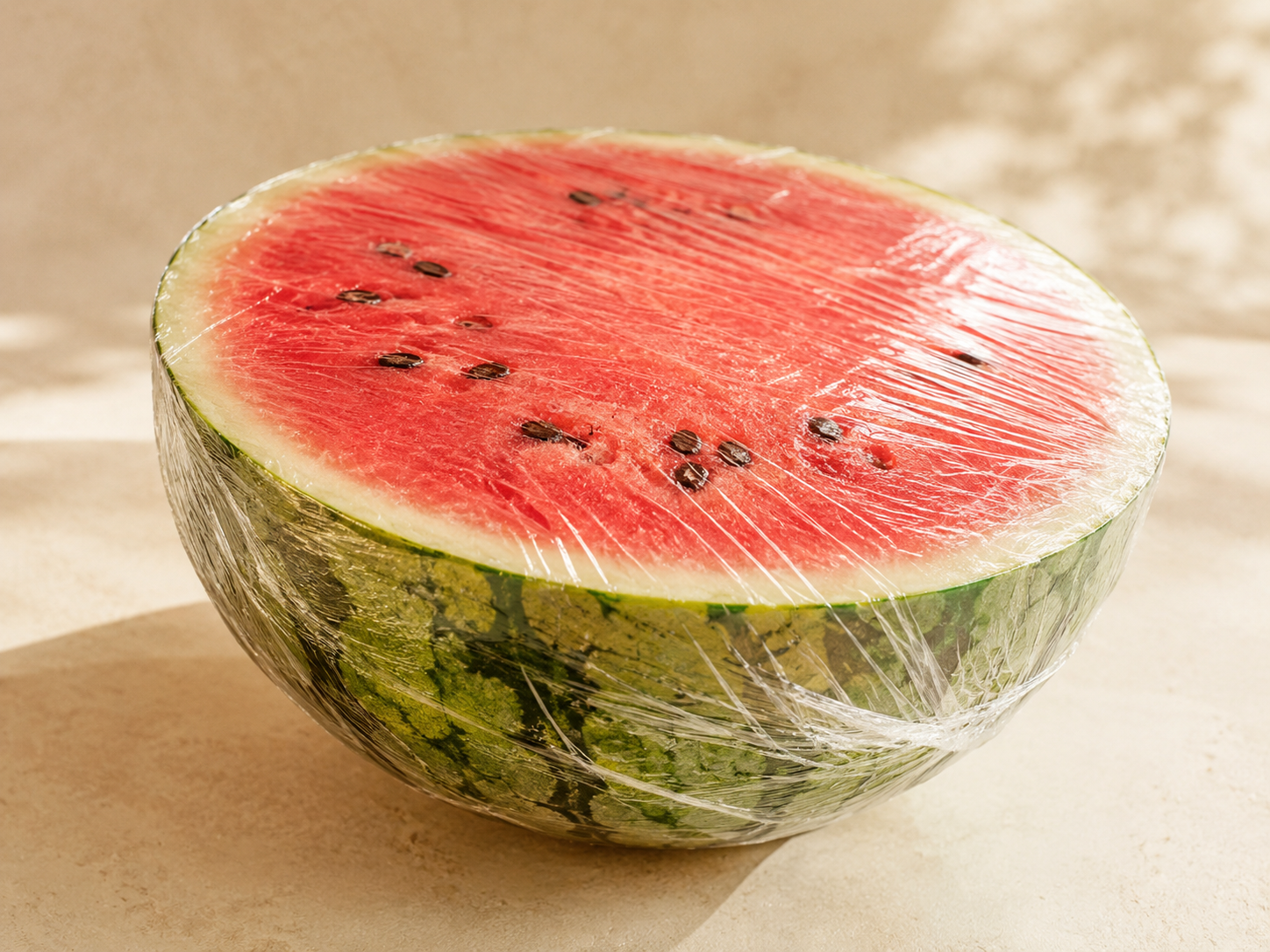
Choosing the right cling wrap for food is no longer just a matter of convenience. As consumers and businesses pay closer attention to food safety, material composition, and environmental impact, the criteria for a “good” cling film have expanded well beyond simple cling strength. This guide breaks down what actually matters when selecting food-contact plastic wrap, and where bio-based alternatives such as ZeRoll® fit into that decision.
Why the Cling Wrap Decision Matters More Than It Used To
Conventional fossil-based plastics have long been the default choice for food preservation film because they are inexpensive, widely available, and easy to process. However, this category of material also carries well-documented trade-offs: dependence on fossil resources, long-term environmental persistence, and end-of-life waste management challenges. At the same time, many emerging bio-based and biodegradable material systems face their own trade-offs among performance, processability, cost, and large-scale commercialization. In other words, there is no single “perfect” material yet — which is exactly why an informed, criteria-based approach to selection is more useful than defaulting to habit or price alone.
Key Criteria for Selecting Food-Safe Cling Wrap
Food-Contact Safety and Compliance The first and most non-negotiable requirement is food-contact safety. Any cling wrap used directly against food should be evaluated against applicable regulatory requirements for the target market — whether Chinese, EU, or U.S. standards, since food-contact products can be tested or evaluated against these requirements depending on the product and target market. Buyers should ask suppliers for product-specific food-contact compliance testing or certification rather than relying on general assurances.
Barrier and Preservation Performance Different foods require different levels of protection. Fresh meat, for example, benefits from high-barrier packaging that manages oxygen barrier, water-vapor barrier, and carbon-dioxide transmission, along with reliable heat-sealing and mechanical performance. Household cling film, by contrast, is primarily judged on everyday food-preservation performance and ease of use. Matching the film’s barrier profile to the actual use case — rather than assuming one film suits every scenario — is a core part of responsible selection.
Material Composition and Environmental Impact Buyers increasingly want to know what a film is actually made of: is it a conventional fossil-based plastic, a bio-based material, or a blend? Bio-based content, where present, should be quantified through actual testing rather than assumed. Similarly, compostability is not a blanket property of “bio-based” materials — compostability claims must correspond to the specific product grade, the applicable standard, and an actual third-party certificate, not a general category assumption.
Certification and Testing Transparency Because claims around biodegradability, compostability, and bio-based content vary significantly by product grade and standard, transparency matters. Reliable suppliers should be able to specify certification bodies, standards, certificate numbers, and the exact product grades to which those certifications apply, rather than making broad, unqualified sustainability claims.
Why Bio-Based and Compostable Options Are Gaining Attention
Against this backdrop, bio-based materials technology has emerged as one credible path toward reducing fossil-resource dependence in food packaging, provided performance and processing requirements are actually met. This is the space in which Shanghai SiPeng Technology Co., Ltd., operating under the brand SYNLIFE, has built its platform. Founded in May 2022 and headquartered in Shanghai, SYNLIFE is a bio-based materials technology company built on synthetic biology and materials engineering, developing high-performance bio-based materials, finished applications, and cross-industry material solutions with a long-term goal of advancing lower-carbon and carbon-negative biomanufacturing technologies.
ZeRoll®: A Bio-Based Approach to Everyday Food Wrap
Within SYNLIFE’s film and packaging portfolio, ZeRoll® includes compostable cling-film products for household, food-service, and retail food-preservation applications. Bio-based content and compostability claims should correspond to the specific product configuration, applicable material grade, and supporting test or certification scope. Importantly, and consistent with the certification-transparency principle above, any compostability claim for ZeRoll® is tied to the specific product grade, the applicable standard, and the actual third-party certificate — not treated as a universal statement across the entire product line.
For more demanding applications, SYNLIFE has also developed a ZeRoll® MAP meat packaging film, a high-barrier solution created for modified-atmosphere packaging of fresh meat and other high-barrier food applications. Development work on this film has focused specifically on oxygen barrier, water-vapor barrier, carbon-dioxide transmission, heat-sealing performance, mechanical performance, and food-contact compliance — the same criteria outlined above for evaluating any high-barrier film, bio-based or otherwise. SYNLIFE has stated that internal and third-party testing data for this film should be quoted together with the relevant test conditions, methods, and product specifications, rather than used as universal performance claims.
A Broader Packaging Platform Beyond Cling Film
SYNLIFE’s film business is not limited to cling wrap. Alongside ZeRoll®, the company offers NeoRoll®, its non-biodegradable functional film brand. Separately, SYNLIFE develops other application-specific film solutions, including fruit and vegetable packaging film and bakery and food packaging film. This broader platform reflects SYNLIFE’s application-oriented development approach: rather than focusing only on material synthesis, the company develops materials around actual processing conditions and end-use requirements, aiming to bridge the gap between laboratory innovation and commercial-scale applications.
The Capability Behind the Product
SYNLIFE’s film development is supported by a team of more than 50 employees, including researchers and engineers in synthetic biology, material development, product development, and commercialization, working out of a Shanghai R&D Center with more than 2,000 square meters of research and development space. Manufacturing and supply-chain capabilities are established in Jiangsu, including Nantong. The company has been recognized as a Shanghai “Specialized and Innovative” Enterprise and maintains product-specific compostability, bio-based content, and food-contact compliance testing or certification where applicable — the same standards buyers should look for in any cling wrap supplier.
Practical Takeaways for Buyers
When evaluating cling wrap for food — whether for household use, food service, or retail packaging — it is worth asking suppliers four direct questions: What food-contact compliance testing applies to this exact product grade? What barrier and sealing performance data exists for my specific use case? What is the actual bio-based content, if any, and how was it measured? And if compostability is claimed, which standard and third-party certificate applies to this grade? Suppliers such as SYNLIFE, through product lines like ZeRoll® and its MAP-focused film development, illustrate how these questions can be answered with grade-specific data rather than general assurances — which is ultimately the most reliable basis for choosing a cling wrap that fits both food-safety requirements and sustainability goals.
https://www.synlifeglobal.com/
SYNLIFE -
AuthorPosts

- You must be logged in to reply to this topic.