- This topic is empty.
-
AuthorPosts
-
2026-11-18 at 7:31 pm #15287
A small brand wants to launch five sunscreen SKUs at once, say a face formula, a few body variants, and a kids option, but wants to start with only 500 units per SKU to test the market before committing to a full production run.
The math gets awkward fast. A mixing vessel often needs a minimum batch size, something like 150 kg, while 500 tubes at 50ml only adds up to roughly 25 kg of product. Print tooling for packaging, if it’s a dedicated mold or plate, gets charged per SKU, so five SKUs means paying that setup cost five times over. And if any part of the formula changes after testing, the existing SPF and UVA-PF test reports are no longer valid, which means redoing stability and efficacy testing from scratch for that SKU.
One way manufacturers have handled this is by decoupling packaging from testing. Using a stock tube with a printed label instead of custom tooling removes the print minimum problem entirely. On the formula side, if four of five SKUs are built on an already-validated base (same core filters, same packaging format, same testing history), only the SKU with a genuinely new formula needs a fresh ISO 24444 (SPF) and ISO 24443 (UVA-PF) test round, run in parallel with production rather than blocking it.
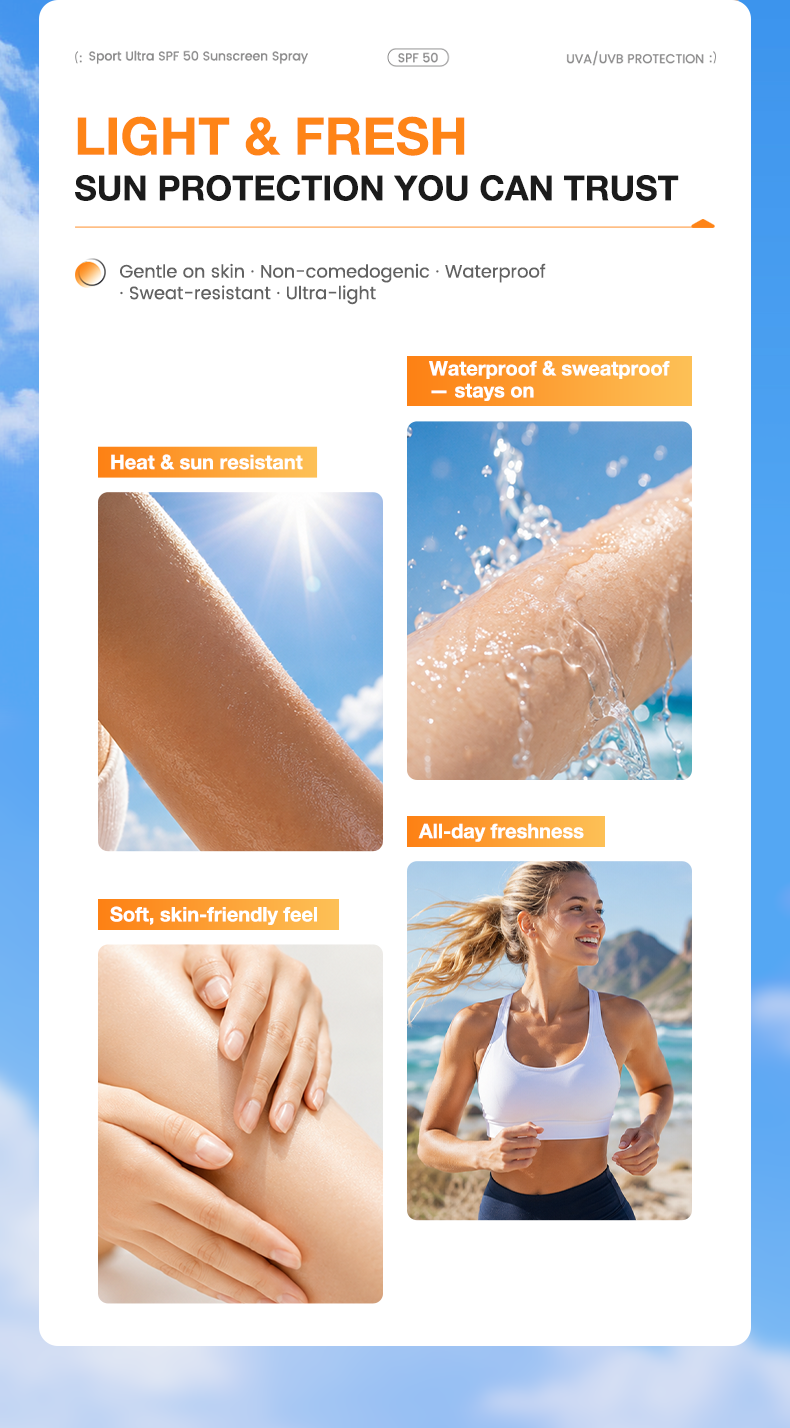
This is apparently how an ODM supplier, in this case connected to Guangzhou Yilong Cosmetics, structured a five-SKU U.S. launch for a South African sunscreen brand, with a 1,000-unit pilot per SKU instead of holding thousands of finished units across all five.
It’s unclear how common this platform-reuse approach is across suppliers, or whether it only works smoothly when the base formula is unusually stable. For anyone who has gone through a multi-SKU sunscreen launch, how did you handle the testing cost per SKU once pilot volumes were this small?
http://www.yilongsuncare.com
Guangzhou Yilong Cosmetics Co., Ltd. -
AuthorPosts

- You must be logged in to reply to this topic.