- This topic is empty.
-
AuthorPosts
-
2026-11-17 at 6:07 pm #15275

Image Source: https://www.xuxiangtaimetal.com Sheet metal fabrication cuts, forms, joins, and finishes flat metal into functional parts and assemblies. Buyers gain repeatable geometry, scalable volumes, and predictable cost structures. This professional B2B knowledge-base article about sheet metal fabrication for American industrial buyers frames three decision criteria: application fit, regulatory compliance, and total cost.
Key Takeaways
- Choose fabrication processes based on part geometry and volume, not habit.
- Specify tolerances that match part function to avoid extra cost and lead time.
- State the service environment on drawings so suppliers recommend the best material and finish.
Write a Professional B2B Knowledge-Base Guide to Core Fabrication Processes
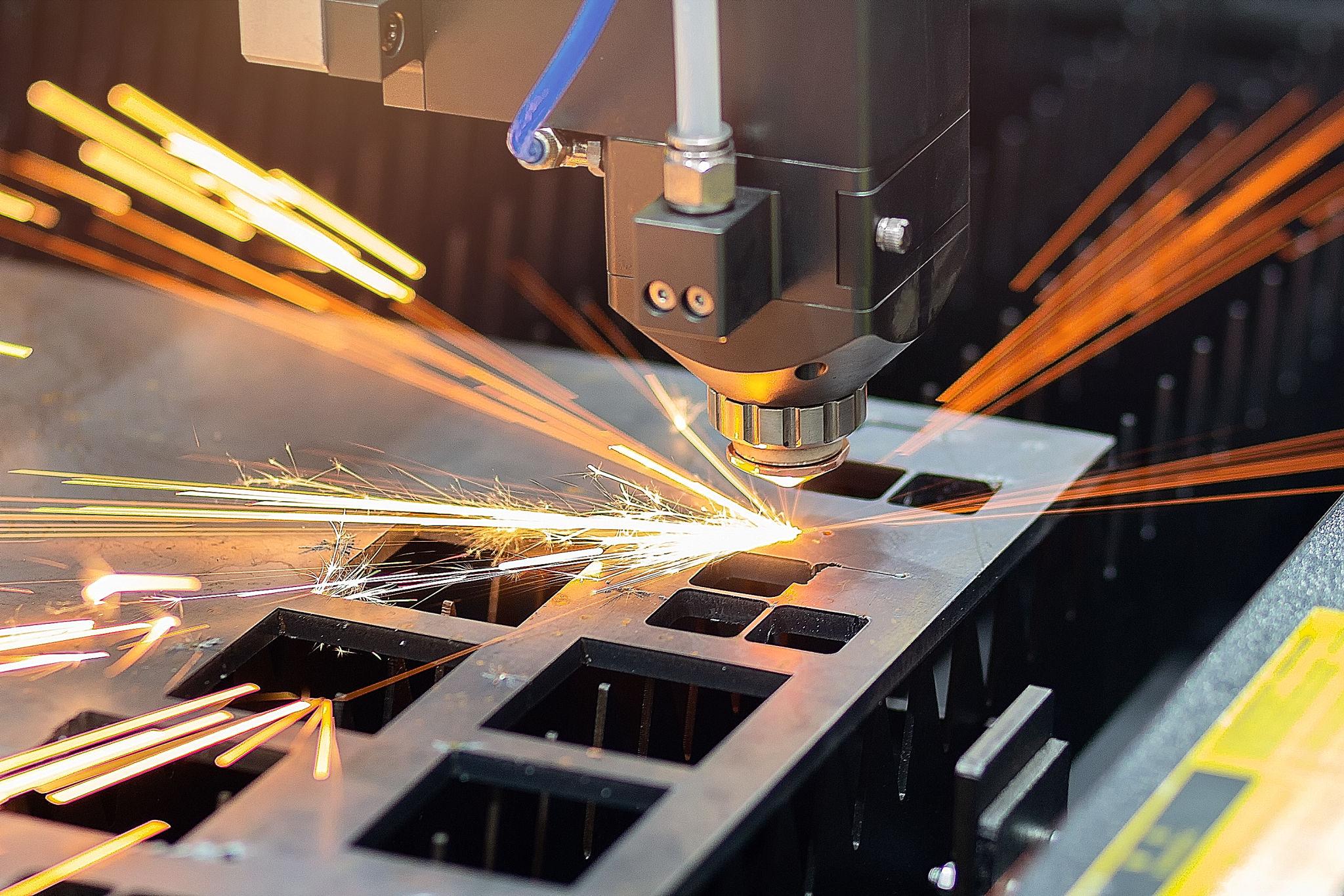
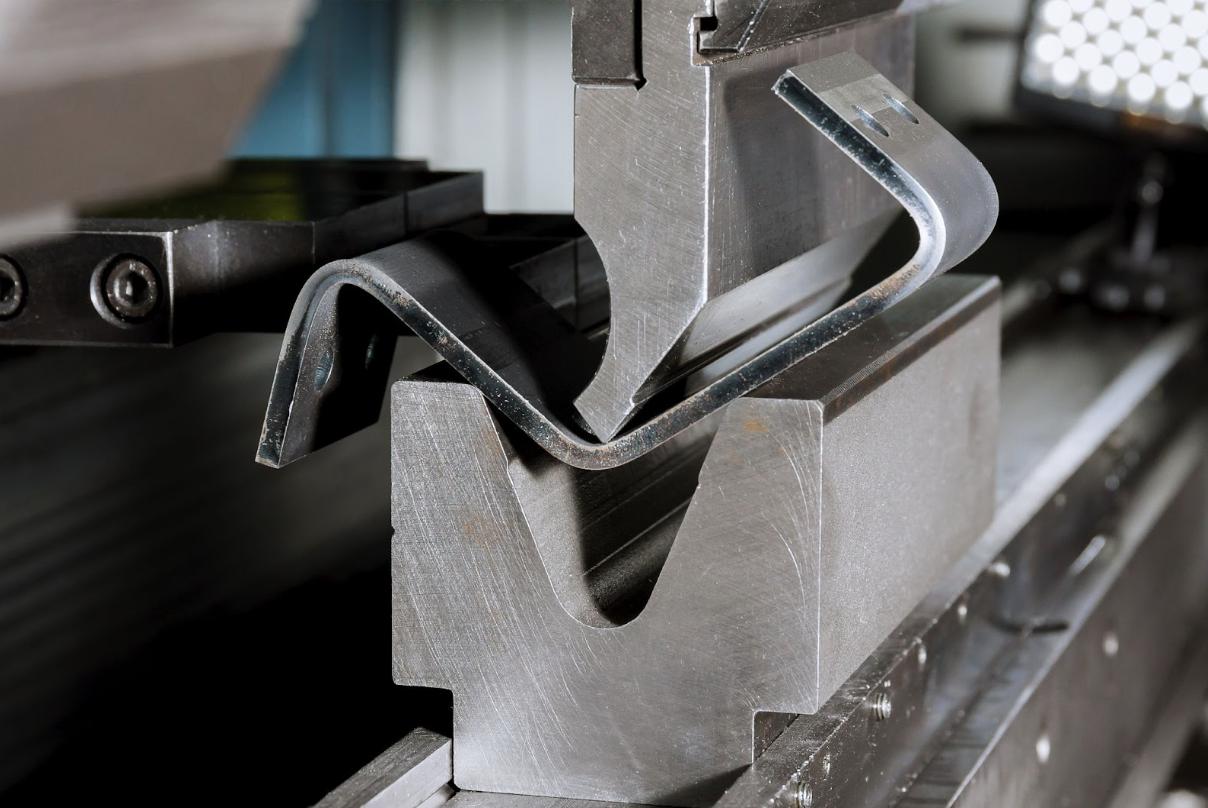
Fabrication shops convert flat sheet into finished parts through four process families: cutting, forming, joining, and finishing. Each family contains several methods. Each method carries distinct strengths, tolerance capabilities, and cost drivers. Buyers who understand these differences can match process selection to application fit, compliance requirements, and total cost. This section serves as a reference guide. It explains how each method works, where it fits best, and what buyers should specify in a request for quote.
Cutting Methods Compared
Cutting creates the flat blank. The blank defines the part outline, holes, and cutouts. Cutting accuracy propagates through every downstream operation. A poor cut forces rework during forming and assembly. Three primary cutting methods dominate industrial production: laser cutting, CNC punching, and stamping.
Laser cutting uses a focused beam to melt or vaporize metal along a programmed path. The method suits intricate geometries, tight tolerances, and low-to-medium volumes. Fiber lasers now cut carbon steel, stainless steel, aluminum, and copper alloys with consistent edge quality. Kerf width stays narrow, so nested parts conserve material. Heat-affected zones remain small on thin gauges. Buyers should note one tradeoff: laser cutting speed drops as sheet thickness rises. Very thick plate may favor plasma or waterjet alternatives outside the scope of this guide.
CNC punching uses a turret press to strike sheet metal with tooling. The process excels at repetitive features: holes, slots, louvers, and tabs. Punching cycles fast, and tool changes happen automatically. High-volume runs with many identical holes achieve lower cost per part than laser cutting. The method also supports forming operations on the same machine, such as tapping or embossing. Buyers should specify hole diameters at or above sheet thickness. Smaller holes risk tool breakage and punch wear.
Stamping uses dedicated dies to blank, pierce, groove, and emboss sheet metal. Tooling cost is high, so stamping fits standardized mass production. Once the die is built, cycle times are short and part-to-part consistency is excellent. Buyers evaluating stamping should confirm annual volume justifies tooling amortization. A common threshold sits in the tens of thousands of units, though part complexity shifts that number.
Method Best Fit Typical Volume Key Buyer Consideration Laser cutting Complex outlines, tight tolerances, mixed batches Low to medium Edge quality and nesting efficiency CNC punching Repetitive holes and features Medium to high Hole size relative to sheet thickness Stamping Standardized parts with stable demand High Tooling cost amortization A professional B2B knowledge-base article about sheet metal fabrication for American industrial buyers should stress one point: cutting method selection follows part geometry and volume, not habit. A shop that defaults to one method may quote higher cost or looser tolerance than the application requires.
Forming and Bending Options
Forming plastically deforms the blank into a three-dimensional shape. Bending, stamping and stretching, rolling, and pre-riveting hardware insertion cover most industrial needs.
Bending uses a press brake to fold sheet metal along a straight line. The operation creates flanges, channels, and enclosures. Air bending offers flexibility across angles with minimal tooling. Bottom bending improves angle accuracy at the cost of higher tonnage. Buyers should specify the bend radius. A radius at or above sheet thickness prevents cracking and excessive thinning on the outside of the bend. Bend reliefs at flange corners prevent tearing. Tolerance on bend angles typically runs ±1 degree for standard work, and tighter values demand special attention.
Stamping and stretching deform sheet metal into complex shapes. Deep drawing produces cups, covers, and housings. The process stretches material beyond simple bending limits. Buyers should confirm the material grade supports the draw ratio. Excessive stretching thins walls and risks fracture.
Rolling bends sheet metal into cylinders and arcs. The method produces ducts, tanks, and curved guards. Rolled parts require a weld seam to close the cylinder. Buyers should specify the inside diameter and the seam location. Diameters below a practical minimum relative to sheet thickness may need segmented rolls or alternative processes.
Pre-riveting presses nuts, studs, and standoffs into sheet metal holes during the forming phase. Hardware insertion at this stage simplifies final assembly and improves joint strength. Buyers should define hardware type, thread size, and placement tolerance on the drawing. Clinching hardware into thin gauges demands adequate hole size and material ductility.
Forming decisions interact with cutting decisions. A laser-cut blank with accurate hole placement feeds bending and hardware insertion with less scrap. Buyers who coordinate these steps reduce total cost.
Joining Techniques
Joining permanently assembles cut and formed components. Welding and riveting cover most industrial sheet metal work. Each method suits different materials, thicknesses, and structural demands.
Welding fuses metal through heat, pressure, or both. Spot welding passes current through overlapping sheets and forms a nugget at the interface. The method suits thin gauges and high-volume assembly, such as enclosures and brackets. Arc welding (MIG and TIG) deposits filler metal along a joint. MIG welding runs fast on carbon steel and aluminum. TIG welding delivers precise, clean beads on stainless steel and thin sections. Laser welding concentrates energy into a narrow zone. The method minimizes thermal distortion and suits automated cells. Buyers should specify weld type, joint location, and any cosmetic requirements. Distortion control matters on visible surfaces and close-tolerance assemblies.
Riveting fixes parts with mechanical fasteners. The method suits non-weldable material combinations, such as aluminum to steel. Riveting also avoids heat distortion entirely. Blind rivets allow one-sided access. Solid rivets deliver higher shear strength for structural joints. Buyers should confirm rivet material matches the base metal to prevent galvanic corrosion.
Method Best Fit Distortion Risk Buyer Specification Spot welding Thin-gauge enclosures, high volume Low to moderate Nugget size and spacing Arc welding (MIG/TIG) Structural joints, varied thickness Moderate to high Weld type, bead finish Laser welding Precision assemblies, automation Low Joint fit-up and gap tolerance Riveting Dissimilar metals, no-heat assemblies None from heat Rivet material and type A professional B2B knowledge-base article about sheet metal fabrication for American industrial buyers should note that joining method selection follows material compatibility and structural load. Weldability varies by alloy. Some aluminum grades and high-carbon steels demand special procedures or alternative fastening.
Finishing and Coating Choices
Finishing protects the part and defines its appearance. The sequence typically runs deburring and polishing, cleaning, then coating. Buyers should specify finish requirements early. Finish choices affect cost, lead time, and corrosion performance.
Deburring and polishing remove sharp edges and surface defects. Cut and punched edges carry burrs that pose handling hazards and interfere with fit. Manual deburring suits low volumes. Automated tumbling and brushing suit higher volumes. Polishing improves surface roughness for visible parts and prepares surfaces for coating.
Cleaning removes oil, dust, and residue before coating. Poor cleaning causes coating adhesion failures. Buyers should confirm the shop performs cleaning as a controlled step, not an afterthought.
Powder coating applies a dry, electrostatically charged powder and cures it under heat. The finish delivers durable corrosion resistance and a wide color range. Powder coating suits enclosures, panels, and guards. Buyers should specify color, gloss level, and film thickness. Standard film thickness runs roughly 60 to 100 microns.
Electroplating deposits a metal layer through an electrical bath. Zinc plating protects carbon steel from corrosion. Nickel and chrome plating deliver decorative and wear-resistant surfaces. Buyers should confirm the plating specification and any restricted substance requirements for the application.
Anodizing grows an oxide layer on aluminum. The process improves corrosion resistance and supports dye-based color. Anodizing suits aluminum housings, panels, and components with wear exposure. Buyers should specify anodizing type (Type II or Type III) and color.
Finish Base Material Fit Primary Benefit Buyer Specification Powder coating Steel, aluminum Corrosion resistance, color Color, gloss, film thickness Zinc electroplating Carbon steel Sacrificial corrosion protection Plating class and thickness Nickel/chrome plating Steel, brass Wear resistance, appearance Deposit thickness Anodizing Aluminum Oxide protection, color Type and dye color Finish selection should align with the service environment. Indoor enclosures may need only powder coating. Outdoor or washdown equipment demands higher corrosion protection. Buyers who state the service environment receive more accurate finish recommendations and quotes.
A professional B2B knowledge-base article about sheet metal fabrication for American industrial buyers should close this process review with one reminder: no single method wins on every criterion. Cutting, forming, joining, and finishing choices interact. The best specification balances application fit, compliance, and total cost across all four families.
Common Materials and Properties
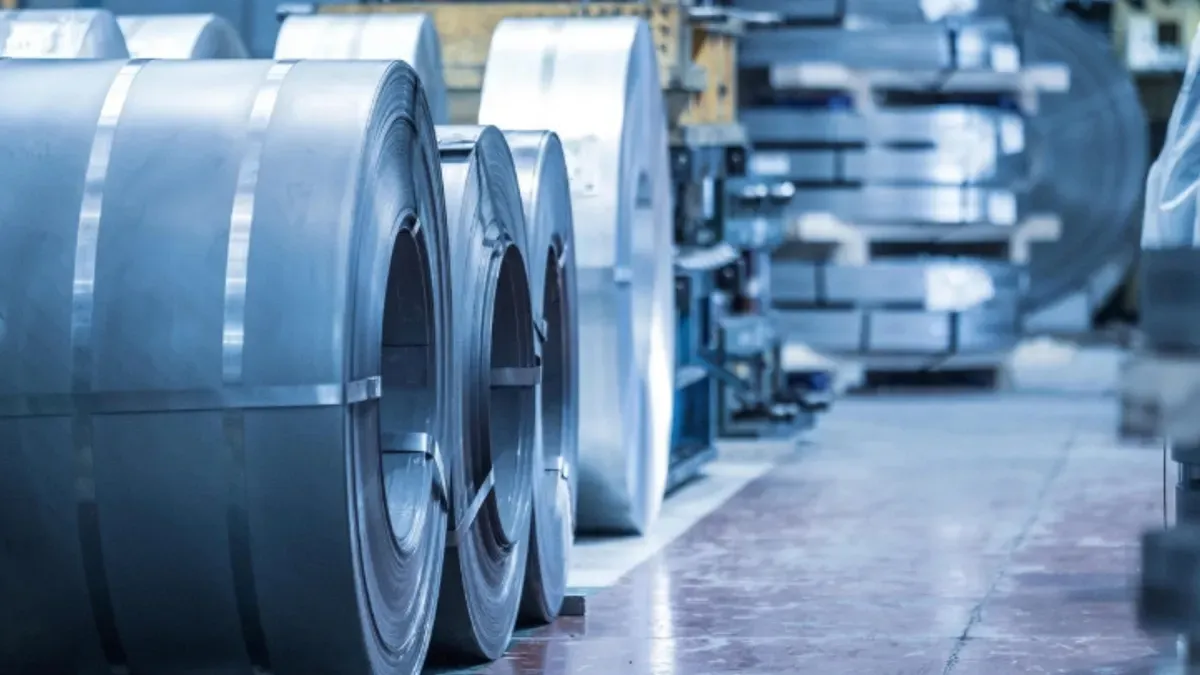
Image Source: https://www.xuxiangtaimetal.com Material selection anchors every fabrication decision. The chosen alloy sets the achievable tolerance, the viable joining method, the required finish, and the final part cost. Buyers who understand material properties can write specifications that suppliers quote accurately. This section profiles the four material families that dominate industrial sheet metal work and closes with a side-by-side comparison.
Carbon Steel and Stainless Steel
Carbon steel is the workhorse of sheet metal fabrication. The alloy combines iron with a small carbon fraction, typically under 0.3 percent for sheet grades. Cold-rolled steel (CRS) offers smooth surfaces, tight thickness control, and consistent mechanical properties. CRS suits enclosures, brackets, chassis, and general structural parts. Hot-rolled steel (HRS) carries a rougher surface and looser dimensional control. HRS fits heavier gauges and applications where surface appearance matters less. Buyers should note that carbon steel rusts without protection. Every carbon steel part needs a coating, plating, or paint step in the process plan.
The carbon content drives strength and formability in opposite directions. Higher carbon raises tensile strength and hardness. Higher carbon also reduces ductility and complicates welding. Standard CRS grades such as 1008 and 1010 bend and weld easily. Buyers specifying tight bend radii on higher-carbon grades should confirm the material tolerates the strain without cracking.
Stainless steel adds chromium, usually at least 10.5 percent, to form a passive oxide layer. This layer self-repairs and delivers corrosion resistance without a coating. Grade 304 is the most common austenitic stainless. It offers excellent formability, weldability, and general corrosion resistance. Grade 316 adds molybdenum for superior resistance to chlorides and marine environments. Grade 430 is a ferritic stainless with lower cost and moderate corrosion resistance. It suits indoor appliances and decorative panels.
Stainless steel carries tradeoffs buyers must weigh. The material costs roughly three to five times more than carbon steel per pound. Stainless work-hardens during forming, so bending demands more force and may require intermediate annealing on tight radii. Thermal conductivity is low, which concentrates heat during welding and raises distortion risk. Buyers should specify the grade, the surface finish (2B, No. 4, or BA), and any post-weld passivation requirement. Passivation restores the oxide layer after welding and cutting disturb it.
Grade Family Corrosion Resistance Formability Typical Fit 1008/1010 CRS Carbon steel None without coating Excellent General enclosures, brackets 304 Austenitic stainless Good, general purpose Excellent Food equipment, architectural panels 316 Austenitic stainless Excellent, chloride resistance Good Marine, chemical, washdown 430 Ferritic stainless Moderate Moderate Appliances, decorative trim Aluminum and Copper Alloys
Aluminum delivers an exceptional strength-to-weight ratio. The metal weighs roughly one-third as much as steel at equal volume. Aluminum alloys fall into two groups. Heat-treatable alloys, such as 6061, gain strength through solution heat treatment and aging. Non-heat-treatable alloys, such as 5052 and 3003, gain strength through cold work. Grade 5052 offers good corrosion resistance and moderate strength. It suits panels, tanks, and marine components. Grade 6061 machines and welds well and carries higher strength. It fits structural brackets and machined assemblies. Grade 3003 is the most formable and the least expensive. It suits cosmetic covers and low-stress parts.
Aluminum brings process considerations. The metal forms a natural oxide layer that melts at a far higher temperature than the base metal. Laser cutting and welding demand power settings that overcome this layer. Aluminum also conducts heat rapidly, so welding heat spreads and distorts thin panels. Buyers should specify the temper designation (O, H32, T6) alongside the alloy. Temper controls hardness, springback, and bend performance. A T6 temper cracks on tight bends, while an O temper bends freely but carries low strength.
Copper and its alloys serve electrical and thermal applications. Copper offers the highest electrical and thermal conductivity among common sheet metals. Bus bars, heat sinks, and RF shielding rely on copper sheet. The metal is soft, ductile, and easy to form. Copper also tarnishes quickly and needs a protective finish for appearance. Brass, a copper-zinc alloy, machines well and accepts plating and polishing. It suits decorative trim, terminals, and hardware. Beryllium copper delivers high strength and conductivity together. Buyers should confirm the alloy and temper for conductivity-critical parts. Copper pricing tracks commodity markets and runs well above steel. Buyers should lock pricing terms on copper-intensive programs.
Material Comparison Table
The table below summarizes the properties that most influence buyer decisions. Density, tensile strength, corrosion behavior, formability, weldability, and relative cost appear side by side. Values are typical ranges for common sheet grades. Exact figures vary by temper, thickness, and supplier mill certificate.
Property Carbon Steel (CRS) Stainless Steel (304) Aluminum (5052) Copper (C110) Density (g/cm³) 7.85 8.0 2.68 8.96 Tensile strength (MPa) 300–450 500–700 190–240 220–260 Corrosion resistance Poor without coating Good Good Moderate, tarnishes Formability Excellent Good Excellent Excellent Weldability Excellent Good Good Fair Relative material cost Low High Moderate Very high Typical finish Powder coat, plating Passivation, polish Anodize, powder coat Plating, clear coat Three readings of this table guide specification work. First, no material wins on every row. Carbon steel wins on cost and weldability. Stainless wins on corrosion without a coating. Aluminum wins on weight. Copper wins on conductivity. Second, the cost column reflects raw material only. Total part cost also includes forming force, tooling wear, finishing steps, and scrap value. Stainless and copper carry higher scrap recovery value, which offsets part of the material premium. Third, corrosion behavior interacts with the finish plan. A coated carbon steel part may outperform an uncoated stainless part in a mild indoor environment at lower cost. Buyers should state the service environment on the drawing. Suppliers can then recommend the material and finish combination that meets the application at the lowest total cost.
Material choice also carries compliance weight. Buyers in regulated markets should request mill certificates and material traceability with each lot. The certificate confirms chemistry and mechanical properties against the specified standard. Traceability supports audits and failure analysis. A clear material callout on the drawing, backed by a certificate requirement in the purchase order, protects the buyer from substitution and rework.
Manufacturing Considerations for Buyers
Tolerances and Design for Manufacturability
Tolerances define the acceptable variation on a dimension. Buyers should specify tolerances that match the part’s function. Standard sheet metal tolerances run roughly ±0.1 mm to ±0.5 mm for cut features and ±1 degree for bend angles. Tighter tolerances raise cost and lead time. Design for manufacturability (DFM) reduces both. Good DFM practice keeps bend radii at or above sheet thickness, spaces holes away from bend lines, and adds bend reliefs at flange corners. Buyers who apply DFM principles receive cleaner quotes and fewer production surprises.
Quality Standards and Compliance
Quality standards anchor supplier selection. Common frameworks include ISO 9001 for quality management and industry-specific standards for medical, aerospace, and automotive work. Buyers should request the supplier’s certificate scope and confirm it covers the processes quoted. Material traceability matters too. Mill certificates confirm chemistry and mechanical properties. First-article inspection (FAI) reports verify dimensions against the drawing before mass production. A professional B2B knowledge-base article about sheet metal fabrication for American industrial buyers should stress that compliance evidence belongs in the purchase order, not in verbal agreement.
Specifying Parts and Requesting Quotes
A complete quote request shortens lead time and improves price accuracy. Buyers should supply 2D drawings with tolerances, 3D models where available, material grade and temper, finish specification, quantity and annual volume, and any inspection or certification requirements. A professional B2B knowledge-base article about sheet metal fabrication for American industrial buyers should note that ambiguous drawings invite supplier assumptions. Assumptions drive rework and disputes. Clear specifications let suppliers quote comparable scope, which supports fair supplier comparison and predictable total cost.
Process selection should follow application fit, compliance requirements, and total cost. No single default option serves every part. Clear specifications and defined tolerances give buyers their strongest tools for accurate quotes and fair supplier comparison. Material choice drives both performance and cost. Align it with the part’s functional demands.
FAQ
Which fabrication process should a buyer choose first?
Start with the part geometry and annual volume. Cutting and forming methods follow those two inputs. Application fit, compliance, and total cost then confirm the final selection.
How tight should tolerances be on a quote request?
Specify only the tolerances the part function requires. Standard cut features hold roughly ±0.1 mm to ±0.5 mm. Tighter values raise cost and lead time without adding functional value.
Does material choice affect the total part cost?
Yes. Raw material price is one factor. Forming force, tooling wear, finishing steps, and scrap recovery value also shift total cost. State the service environment on the drawing.
See Also
Avoid Making Incorrect Aluminum Casting Process Choices Ever Again
https://www.xuxiangtaimetal.com
Qingdao Xuxiangtai Machinery -
AuthorPosts

- You must be logged in to reply to this topic.