- This topic is empty.
-
AuthorPosts
-
2026-11-27 at 4:50 pm #15422
14K gold plated jewelry offers an effective way to develop attractive gold-tone collections without the material costs associated with solid gold. It is widely used in earrings, necklaces, bracelets, rings, and customized fashion accessories. However, maintaining consistent color and surface appearance throughout the product's service life remains one of the most important challenges in jewelry manufacturing.
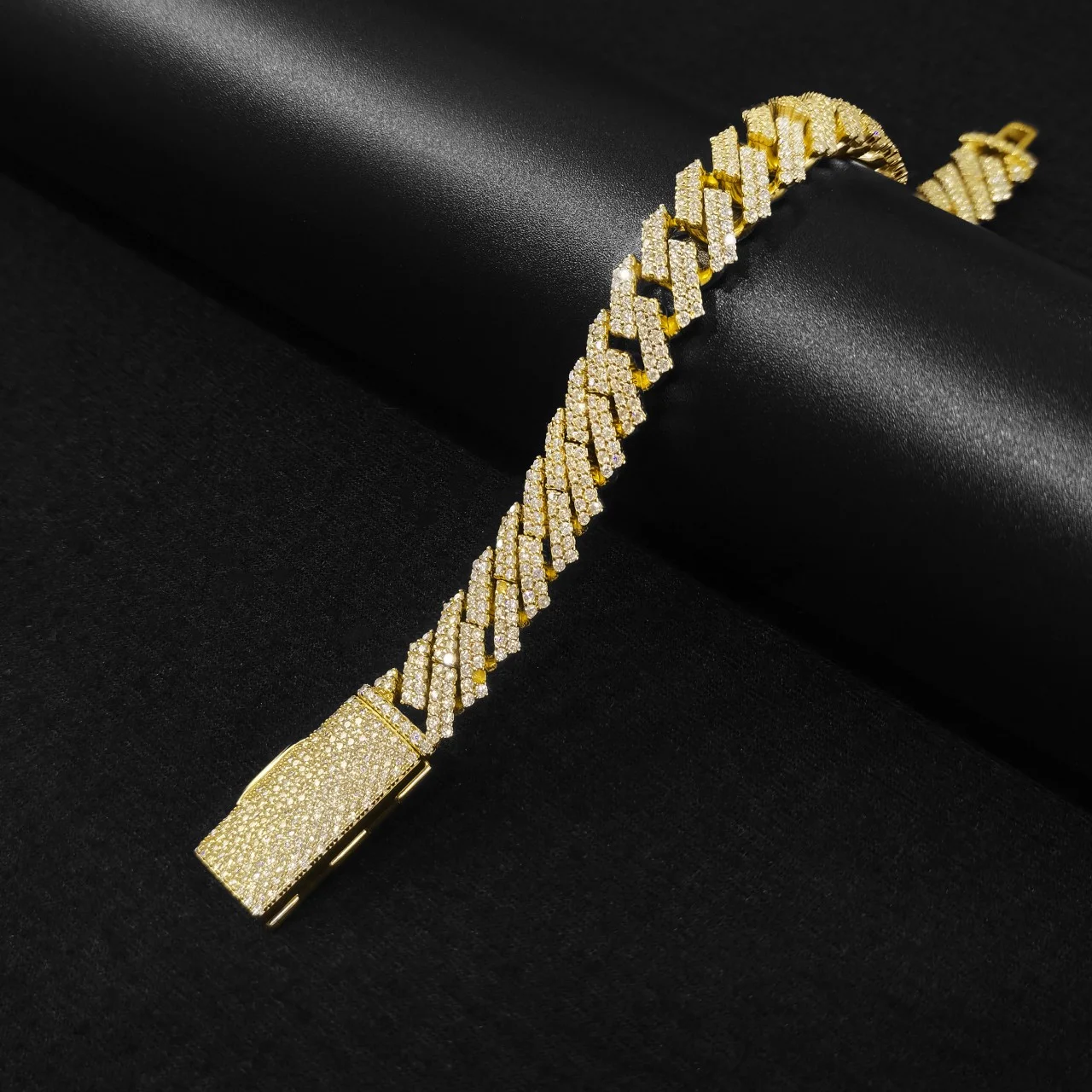
Tarnishing, fading, discoloration, and localized coating wear can affect customer satisfaction and increase product returns. These problems are often attributed to poor gold plating, but their actual causes may involve several interacting factors, including base metal oxidation, insufficient plating thickness, coating porosity, inadequate surface preparation, and exposure to chemicals or perspiration.
For brands developing 14K gold plated jewelry collections, preventing these issues requires a combination of material engineering, controlled electroplating, protective finishing, and appropriate quality testing.
Why Does 14K Gold Plated Jewelry Tarnish?
Gold itself has excellent chemical stability, but 14K gold is an alloy rather than pure gold. Its composition includes approximately 58.3% gold, with the remaining portion consisting of other metals that influence hardness and color.
The exact alloy composition varies according to the desired gold tone and manufacturing formulation. Some alloying metals are more susceptible to oxidation and chemical reactions than gold itself.
More importantly, the gold layer in plated jewelry is relatively thin. If the coating contains pores, microcracks, or areas with insufficient thickness, environmental substances may reach the underlying base metal. Copper and brass components can then undergo oxidation, potentially causing discoloration that becomes visible through or around the plating.
Perspiration, cosmetics, perfumes, detergents, and cleaning agents can accelerate surface deterioration. Chlorine-containing products and certain acidic or alkaline substances may also damage protective coatings or affect the stability of exposed alloy components.
Therefore, tarnishing is not necessarily caused by the 14K gold composition alone. It often reflects the combined performance of the plating layer, intermediate coatings, and base material.
Plating Thickness and Coating Structure: The First Line of Protection
Plating thickness directly affects how much gold material is available to withstand everyday abrasion. A very thin decorative coating may provide an attractive initial appearance but can wear through more quickly in areas exposed to frequent contact.
Different jewelry categories have different wear conditions. Rings are generally exposed to greater mechanical friction than pendants because they continuously contact surfaces during everyday activities. Bracelet surfaces also experience repeated contact, while necklace chains may develop localized wear around connecting links and clasps.
For this reason, plating specifications should be established according to product design and expected use rather than applying one thickness to every jewelry category.
The coating structure is equally important. A typical plating system may include the following layers:
-
Base metal: Brass, copper, or stainless steel provides the main structural body.
-
Preparation and activation layer: Removes surface contaminants and prepares the substrate for subsequent deposition.
-
Barrier layer: Helps reduce migration of base metals and improves coating-system stability.
-
14K gold layer: Provides the intended gold color and surface appearance.
-
Protective topcoat: Where specified, provides additional protection against environmental exposure and surface wear.
The barrier layer is particularly important for copper-based and brass-based jewelry. Without an appropriate intermediate coating, copper or other base metals may migrate through the coating system and contribute to discoloration.
However, the effectiveness of a multilayer structure depends on material compatibility, adhesion, and process control. Simply adding more layers does not guarantee better performance.
How Base Metal Selection Influences Color Stability
The underlying metal has a direct influence on the long-term appearance of 14K gold plated jewelry.
Brass is widely used because of its excellent manufacturing flexibility and suitability for detailed jewelry designs. It can be processed through casting, stamping, and machining, making it practical for different product categories. However, its copper and zinc content requires suitable surface preparation and barrier protection.
Copper is also commonly used because of its workability and ability to support detailed shapes. Nevertheless, its susceptibility to oxidation makes the quality of the intermediate coating particularly important.
Stainless steel offers good corrosion resistance and mechanical durability. It can be a practical option for products designed for regular use, although its passive surface requires specialized activation and plating procedures to achieve reliable adhesion.
The most suitable base metal depends on the intended product, manufacturing complexity, cost target, and required surface performance. Manufacturers should evaluate the complete coating system rather than assuming that a more expensive base metal automatically produces a more durable gold-plated finish.
Electroplating Process Control and Common Manufacturing Defects
Electroplating consistency is one of the most important factors in preventing color variation and premature coating failure.
During electroplating, metal ions are deposited onto the jewelry surface through an electrochemical reaction. The resulting coating depends on several process variables, including bath composition, temperature, pH, current density, processing time, and component positioning.
If current distribution is uneven, certain areas may receive insufficient coating while others accumulate excessive deposits. This is especially relevant for jewelry with complex geometries, deep recesses, fine chains, and intricate decorative details.
Poor surface cleaning can also create defects. Oil residues, polishing compounds, and oxidation may prevent uniform deposition, leading to poor adhesion or localized discoloration.
Several manufacturing defects deserve particular attention:
Uneven Gold Color: Variations in bath conditions, coating thickness, or surface preparation can create differences in gold tone across the same product batch.
Poor Adhesion: Inadequate cleaning, activation, or intermediate coating can cause the gold layer to peel or separate from the substrate.
Pinholes and Porosity: Microscopic defects may expose underlying metals to moisture and chemicals, increasing the risk of corrosion and discoloration.
Localized Wear: Sharp edges, protruding details, and high-contact areas may lose their coating faster than flat surfaces.
Effective process monitoring and in-process inspection help identify these problems before they affect large production quantities.
Protective Coatings: Do They Make Gold Plating Last Longer?
Protective topcoats are commonly used to improve the surface performance of 14K gold plated jewelry. Depending on the formulation, these coatings can reduce direct exposure to moisture, perspiration, cosmetics, and other environmental substances.
Clear electrophoretic coatings and specialized protective lacquers are examples of finishing technologies used in jewelry manufacturing. Their performance depends on film thickness, adhesion, hardness, flexibility, and chemical resistance.
A protective coating may help preserve the original gold appearance, but it does not make plated jewelry equivalent to solid gold or guarantee that the product will never fade.
Topcoat compatibility must also be evaluated. An unsuitable coating may alter the original gold tone, reduce surface gloss, or become damaged through repeated friction. For rings and bracelets, abrasion resistance is particularly important because the protective film itself may wear away during normal use.
Manufacturers should therefore test the complete finished product rather than evaluating the gold layer and topcoat separately.
Quality Testing for Color Retention and Durability
A reliable quality control system should include tests that simulate the main conditions encountered during jewelry use.
X-ray fluorescence (XRF) testing can verify the composition and thickness of metallic coatings, although measurement accuracy depends on the coating structure, substrate, and instrument configuration.
Adhesion testing helps determine whether the coating remains attached under specified conditions. Abrasion testing evaluates the resistance of the finished surface to repeated mechanical contact, while artificial perspiration testing can provide information about discoloration and corrosion resistance.
Color measurement is also valuable for bulk production. Using a spectrophotometer to compare samples against an approved reference helps identify variations between plating batches. Color difference can be evaluated using CIE Lab measurements and ΔE values, with acceptable tolerances established according to the product's visual requirements.
For international markets, manufacturers should also consider applicable chemical restrictions and product safety requirements. Nickel release, lead, and cadmium restrictions may apply depending on the destination market and product category.
Testing should be performed on representative finished products, including complex designs and components with different surface geometries. This provides a more realistic assessment of the complete jewelry construction.
How to Maintain 14K Gold Plated Jewelry Appearance
Manufacturing quality is only one part of long-term product performance. Proper handling, packaging, and consumer care also influence how long the gold finish maintains its original appearance.
Jewelry should ideally be stored in a dry environment and separated from other metal accessories to reduce friction and scratching. Exposure to perfume, hairspray, chlorine, and household cleaning products should be minimized.
Cleaning should be performed with a soft, dry or slightly damp cloth, following the manufacturer's care instructions. Abrasive polishing compounds and aggressive chemical cleaners should generally be avoided because they may remove or damage the thin gold layer and protective coating.
For brands selling through online stores and wholesale channels, providing clear jewelry care instructions can help establish realistic customer expectations and reduce complaints related to improper use.
Choosing an Experienced 14K Gold Plated Jewelry Manufacturer
Consistent gold plating requires technical coordination across base metal selection, polishing, cleaning, electroplating, protective finishing, and final inspection. Brands should evaluate whether a manufacturer can establish repeatable specifications and maintain consistent gold color across different production batches.
Guangzhou Aishi Jewelry Co., Ltd. is a jewelry manufacturer integrating research and development, production, and sales, with more than 15 years of industry experience. The company specializes in gold, silver, and copper jewelry and provides both wholesale and customized jewelry solutions.
Its experience across different jewelry materials and manufacturing requirements supports the development of products for various commercial applications. For 14K gold plated jewelry projects, clear material specifications, controlled surface finishing, and consistent quality inspection are important foundations for reliable bulk production.
Conclusion
Preventing tarnishing and color fading in 14K gold plated jewelry requires a complete approach to material selection and manufacturing process control. Plating thickness, base metal composition, barrier layers, coating porosity, electroplating conditions, and protective finishes all influence the final product's appearance and durability.
For commercial jewelry collections, manufacturers should establish measurable coating specifications and validate finished products through adhesion, abrasion, perspiration, and color consistency testing. By combining appropriate material engineering with controlled production processes, brands can improve product reliability, maintain a consistent gold finish, and reduce quality risks across wholesale and customized jewelry orders.
http://www.jewelryaishi.com
Guangzhou Aishi Jewelry Co., Ltd. -
-
AuthorPosts

- You must be logged in to reply to this topic.