- This topic is empty.
-
AuthorPosts
-
2026-08-03 at 2:42 pm #13868
Introduction
Energy efficiency has become a critical consideration for modern industrial facilities, commercial buildings, and manufacturing processes. As companies look for ways to reduce energy consumption and improve sustainability, heat recovery technologies have gained increasing attention. Among these technologies, a heat pipe heat exchanger is widely used because of its high thermal efficiency, compact structure, passive heat transfer capability, and reliable operation.
A heat pipe heat exchanger transfers heat between two air streams by using sealed heat pipes filled with a working fluid. Through evaporation and condensation cycles, heat is absorbed from a high-temperature side and released to a low-temperature side without requiring mechanical components or external power. This makes it an attractive solution for applications such as HVAC systems, industrial waste heat recovery, cleanrooms, data centers, food processing facilities, and pharmaceutical manufacturing.
However, the performance of a heat pipe heat exchanger is influenced by many factors, including design parameters, material selection, operating conditions, airflow characteristics, and maintenance practices. Understanding these factors is essential for engineers and industrial buyers who want to achieve maximum energy savings and long-term system reliability.
This article explains the key factors affecting the performance of a heat pipe heat exchanger and provides practical guidance for selecting and optimizing heat recovery solutions.
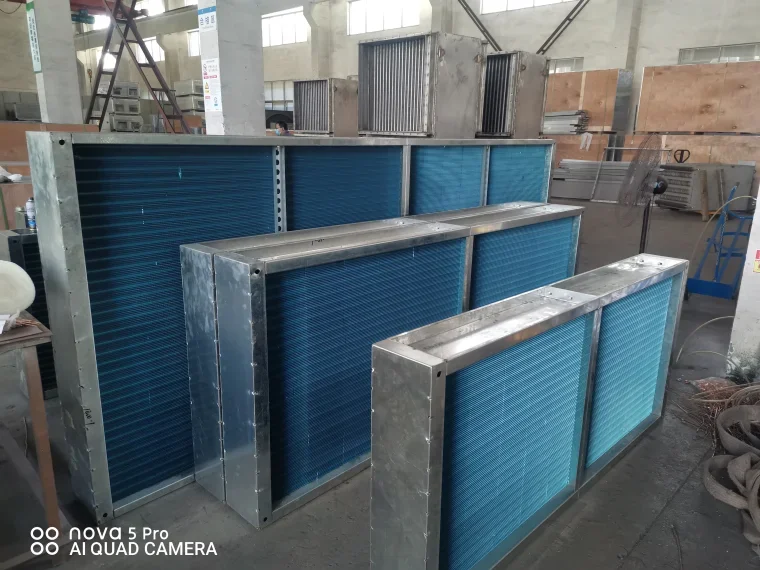
Working Principle of a Heat Pipe Heat Exchanger
Before analyzing performance factors, it is important to understand how a heat pipe heat exchanger works.
A heat pipe consists of a sealed tube containing a working fluid and a wick structure or internal surface designed to support fluid circulation. When one end of the heat pipe absorbs heat, the working fluid evaporates and moves toward the cooler section. At the cold end, the vapor condenses and releases heat. The liquid then returns to the hot section, completing the heat transfer cycle.
In a heat pipe heat exchanger, multiple heat pipes are arranged in parallel between two separate airflow channels. One side absorbs heat while the other side releases heat, allowing energy transfer without mixing the two air streams.
The efficiency of this process depends on several key elements, including:
-
Heat pipe design
-
Working fluid selection
-
Temperature difference
-
Airflow conditions
-
Heat exchanger materials
-
Manufacturing quality
Optimizing these factors helps ensure stable performance and longer service life.
Heat Pipe Design and Configuration
Heat Pipe Length and Diameter
The physical dimensions of heat pipes directly affect heat transfer performance. The length and diameter determine how much heat can be transported between the evaporation and condensation sections.
A larger diameter heat pipe generally provides:
-
Higher heat transfer capacity
-
Better vapor flow capability
-
Lower internal resistance
However, oversized heat pipes may increase equipment cost and overall system size.
The optimal heat pipe dimensions depend on:
-
Required heat recovery capacity
-
Installation space
-
Temperature range
-
Airflow conditions
Professional manufacturers typically customize heat pipe dimensions according to specific application requirements.
Heat Pipe Arrangement and Quantity
The number and arrangement of heat pipes inside a heat pipe heat exchanger also influence thermal performance.
More heat pipes can increase the heat transfer area and improve recovery efficiency. However, excessive tube density may increase airflow resistance and pressure drop.
A well-designed heat pipe heat exchanger must achieve a balance between:
-
Heat transfer surface area
-
Air pressure loss
-
Equipment size
-
Operating cost
For industrial applications, optimized heat pipe spacing is essential to maintain high efficiency without increasing energy consumption from fans.
Working Fluid Selection
Importance of Working Fluid Properties
The working fluid inside a heat pipe plays a major role in determining heat transfer capability. Different fluids are suitable for different temperature ranges and operating environments.
Common working fluids include:
-
Water
-
Methanol
-
Ethanol
-
Refrigerants
-
Specialized thermal fluids
The selection depends on:
-
Operating temperature
-
Heat transfer requirements
-
Environmental conditions
-
Compatibility with heat pipe materials
For example, water-based heat pipes are widely used in medium-temperature applications due to their excellent thermal conductivity.
Temperature Compatibility
A heat pipe heat exchanger performs best when the working fluid matches the operating temperature range.
If the working fluid is unsuitable:
-
Evaporation efficiency may decrease
-
Condensation performance may decline
-
Heat transfer capacity may be reduced
Therefore, selecting the correct working fluid is one of the most important steps in designing an efficient heat pipe heat exchanger.
Material Selection and Thermal Conductivity
Heat Pipe Tube Materials
The material of the heat pipe tube directly affects heat transfer efficiency and durability.
Common materials include:
Copper
Copper is widely used because of its excellent thermal conductivity.
Advantages:
-
High heat transfer efficiency
-
Good manufacturing flexibility
-
Cost-effective performance
Copper heat pipes are commonly applied in HVAC systems, electronics cooling, and general industrial heat recovery.
Aluminum
Aluminum offers lightweight construction and good corrosion resistance.
Advantages:
-
Low weight
-
Good thermal performance
-
Suitable for large-scale heat exchangers
Stainless Steel
Stainless steel is preferred for harsh industrial environments.
Advantages:
-
Excellent corrosion resistance
-
Strong mechanical durability
-
Suitable for chemical and marine applications
Material selection should consider not only thermal performance but also environmental conditions and expected service life.
Temperature Difference and Operating Conditions
Temperature Difference Between Air Streams
The temperature difference between the hot and cold air streams is one of the most important factors affecting heat pipe heat exchanger performance.
A larger temperature difference usually improves heat transfer because it provides a stronger driving force for energy exchange.
However, extremely high temperatures may affect:
-
Working fluid performance
-
Material durability
-
Structural reliability
Engineers must select a heat pipe heat exchanger based on actual operating conditions rather than simply choosing the highest capacity model.
Seasonal and Environmental Variations
Many heat recovery systems operate under changing environmental conditions.
For example:
-
HVAC systems experience seasonal temperature changes
-
Industrial exhaust systems may have fluctuating heat loads
-
Outdoor installations face humidity and weather variations
A properly designed heat pipe heat exchanger should maintain stable performance across different operating conditions.
Airflow Velocity and Pressure Drop
Impact of Airflow Rate
Airflow characteristics significantly influence heat transfer efficiency.
Higher airflow velocity can increase heat exchange because more air contacts the heat transfer surface. However, excessive airflow may cause:
-
Increased pressure drop
-
Higher fan energy consumption
-
Reduced system efficiency
The ideal airflow rate depends on the balance between thermal performance and operating cost.
Fin Design and Airflow Resistance
The fins of a heat pipe heat exchanger increase the surface area available for heat transfer. However, fin design directly affects airflow resistance.
Important fin factors include:
-
Fin spacing
-
Fin thickness
-
Fin material
-
Surface treatment
A high-quality heat pipe heat exchanger manufacturer will optimize fin geometry to achieve efficient heat transfer with minimal pressure loss.
Heat Exchanger Size and Heat Transfer Area
Importance of Heat Transfer Surface Area
The available heat transfer area determines how much energy can be recovered.
A larger heat transfer area generally provides:
-
Higher heat recovery efficiency
-
Better temperature control
-
Improved system performance
However, increasing size also affects:
-
Equipment cost
-
Installation space
-
Maintenance requirements
The ideal heat pipe heat exchanger size should be selected according to the actual heat load and application requirements.
Manufacturing Quality and Structural Design
Sealing Performance
Because heat pipes operate as closed systems, sealing quality is extremely important.
Poor sealing may cause:
-
Working fluid leakage
-
Reduced heat transfer capability
-
Shortened equipment lifespan
Reliable manufacturers use advanced welding and testing technologies to ensure long-term performance.
Manufacturing Precision
The performance of a heat pipe heat exchanger depends heavily on manufacturing accuracy.
Important quality factors include:
-
Tube positioning accuracy
-
Fin expansion quality
-
Internal vacuum control
-
Leakage inspection
High-quality manufacturing ensures consistent thermal performance across the entire heat exchanger.
Maintenance and Cleaning Practices
Dust and Contamination Control
Over time, dust and contaminants can accumulate on heat exchanger surfaces, reducing heat transfer efficiency.
Common problems include:
-
Reduced airflow
-
Increased pressure drop
-
Lower energy recovery performance
Regular cleaning helps maintain the original performance of the heat pipe heat exchanger.
Corrosion Protection
In humid or chemically aggressive environments, corrosion protection is essential.
Solutions may include:
-
Anti-corrosion coatings
-
Stainless steel components
-
Protective surface treatments
Proper maintenance extends equipment life and prevents unexpected downtime.
Application-Specific Factors Affecting Heat Pipe Heat Exchanger Performance
HVAC and Ventilation Systems
In HVAC applications, performance depends on:
-
Indoor and outdoor temperature differences
-
Air humidity
-
Ventilation rate
-
Seasonal operation
A properly selected heat pipe heat exchanger can significantly reduce heating and cooling energy consumption.
Industrial Waste Heat Recovery
Industrial applications often involve high-temperature exhaust gases.
Key considerations include:
-
Exhaust composition
-
Temperature fluctuations
-
Corrosion risks
-
Continuous operation requirements
Customized heat pipe heat exchanger solutions are often necessary for industrial environments.
Data Centers and Electronics Facilities
Data centers require reliable thermal management because of continuous heat generation.
Heat pipe heat exchangers help:
-
Improve cooling efficiency
-
Reduce energy consumption
-
Support stable operation
Performance depends on airflow management, temperature control, and system integration.
How to Improve Heat Pipe Heat Exchanger Performance
To maximize the efficiency of a heat pipe heat exchanger, companies should consider the following strategies:
Select the Correct Design
Choose a heat exchanger based on:
-
Heat load
-
Temperature range
-
Airflow conditions
-
Installation requirements
Optimize Material Selection
Use appropriate materials based on environmental conditions, especially in corrosive or high-temperature applications.
Maintain Proper Airflow
Avoid excessive airflow resistance by selecting suitable fin designs and maintaining clean surfaces.
Perform Regular Maintenance
Routine inspection and cleaning help maintain long-term thermal performance.
Work With an Experienced Manufacturer
A professional heat pipe heat exchanger manufacturer can provide customized designs, performance testing, and technical support.
Conclusion
The performance of a heat pipe heat exchanger depends on multiple factors, including heat pipe design, working fluid selection, material properties, temperature conditions, airflow characteristics, manufacturing quality, and maintenance practices.
A high-performance heat pipe heat exchanger is not determined by a single component but by the interaction of the entire system. Proper design optimization allows industries to achieve higher energy recovery efficiency, lower operating costs, and improved sustainability.
For companies investing in industrial heat recovery solutions, understanding these performance factors is essential. By selecting the right configuration and partnering with an experienced manufacturer, businesses can ensure reliable operation and maximize the long-term value of their heat pipe heat exchanger systems.
http://www.nowvleco.com
nowvleco -
-
AuthorPosts

- You must be logged in to reply to this topic.