- This topic is empty.
-
AuthorPosts
-
2026-10-10 at 4:32 pm #14680
Triple Eccentric vs Double Eccentric Butterfly Valve: What Engineers Need to Know
Butterfly valves are among the most compact and cost-effective solutions for isolating and throttling flow in industrial piping systems. Within this product family, two high-performance variants dominate demanding service: the double eccentric butterfly valve and the triple eccentric butterfly valve. The difference between them is a matter of geometry — and that geometry determines seat wear, sealing performance, temperature capability, and long-term maintenance cost. For engineering companies, valve trading firms, end-user factories, and distributors specifying valves for power, heating, chemical, and water applications, understanding this distinction is essential to selecting the right configuration.
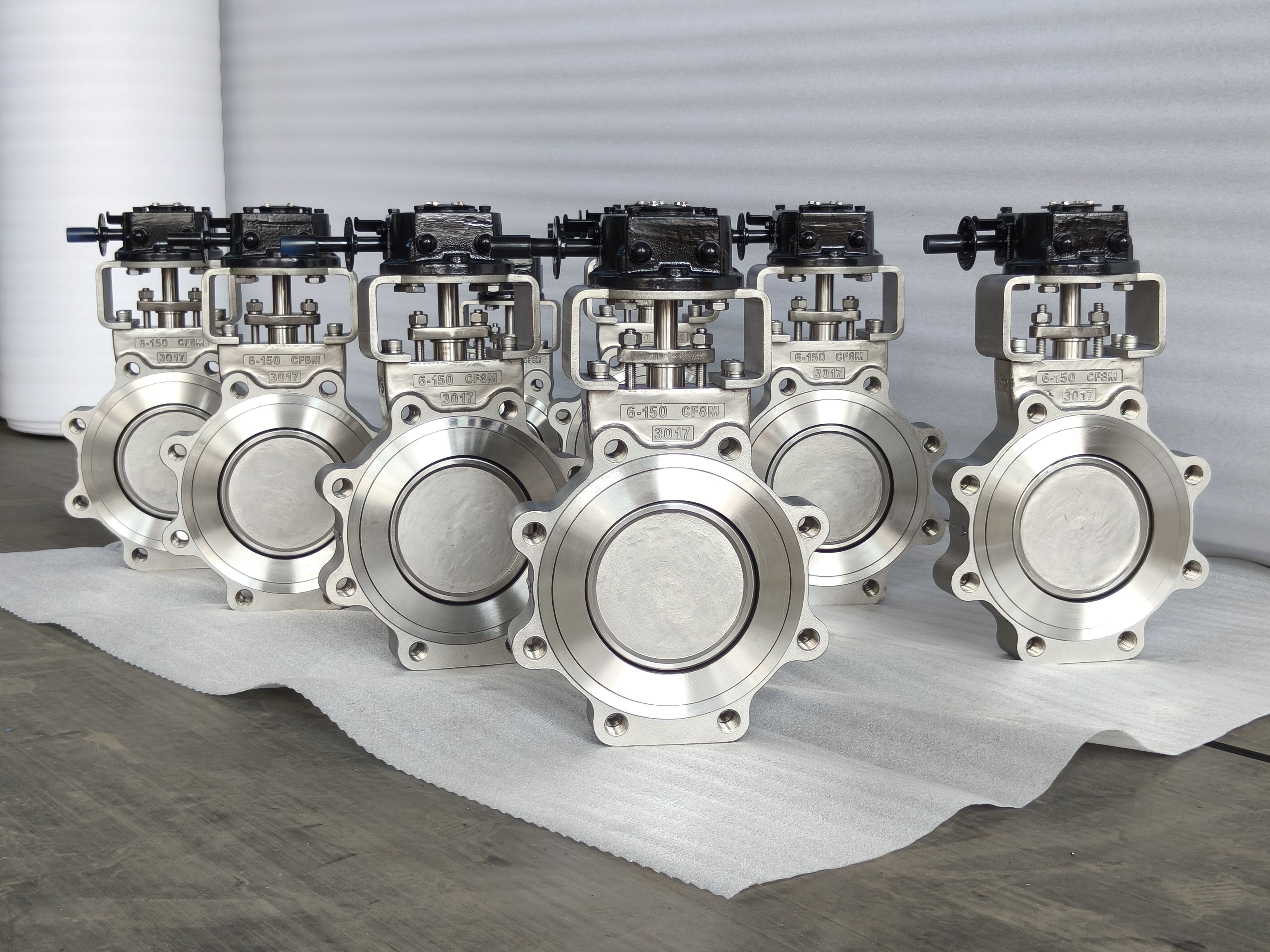
Why Eccentric Geometry Matters in Industrial Flow Control
A conventional centerline butterfly valve places the shaft directly through the center of the disc, so the disc rubs against the seat during every quarter-turn cycle. In high-frequency cycling or high-temperature service, that continuous friction accelerates seat wear and shortens service life.
Eccentric designs solve this problem by moving the shaft away from the sealing seat. Each additional offset removes a further source of friction from the operating cycle. Positions of the offsets are fixed by design intent: the first offset moves the shaft away from the seat plane, and the geometry then progressively allows the disc to lift clear of the seat as it rotates.
Double Eccentric Butterfly Valves: How They Work
The double eccentric butterfly valve — also described as a double offset valve — applies two offsets:
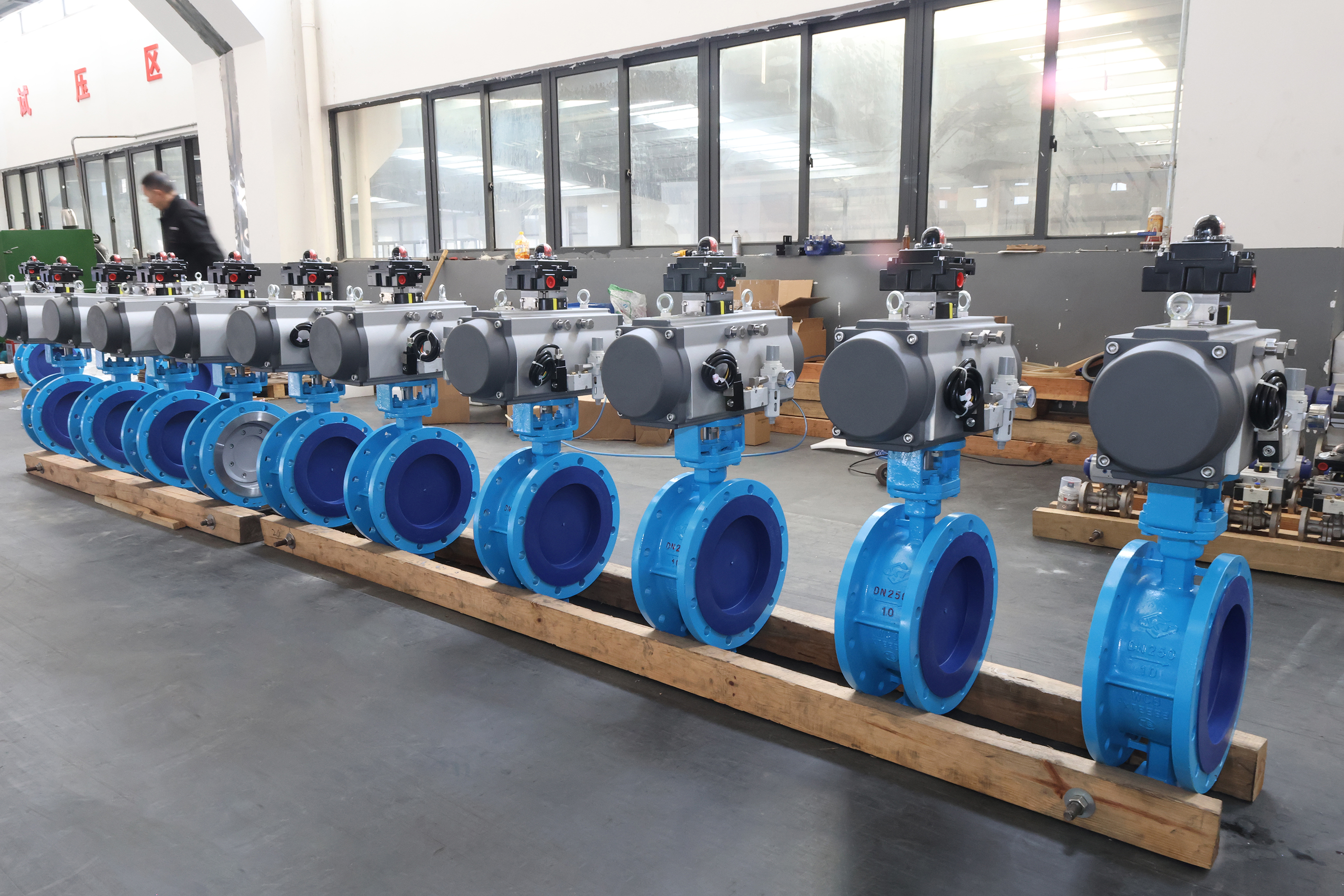
- First offset: the shaft is positioned away from the sealing seat, so the disc begins to separate from the seat early in the rotation rather than pivoting across it.
- Second offset: the shaft is offset from the centerline of the pipe, which further reduces the angle at which the disc contacts the seat.
The practical result is a measurable reduction in seat friction during rotation, which extends seat life in lines that cycle frequently. Double eccentric valves are widely used in district heating and cooling water systems, where repeated opening and closing is routine and where the valve must maintain reliable isolation without generating excessive operating torque.
This is precisely the friction-reduction logic reflected in the butterfly valve line of XINTAI Valve Group Co., Ltd., whose product documentation describes double eccentric geometry as a means of offsetting the shaft from the sealing seat to reduce seat friction during rotation.
Triple Eccentric Butterfly Valves: Toward Frictionless Metal-to-Metal Sealing
The triple eccentric butterfly valve adds a third offset to the design. According to the design principle, this third angular offset allows the disc to leave the seat surface entirely as it rotates, meaning the sealing surfaces are not dragged across one another during operation.
- Frictionless sealing action: because the disc swings clear of the seat, contact occurs only at the moment of full closure.
- Metal-to-metal sealing: this geometry enables metal seat designs that hold up in high-temperature service, where elastomeric seats would degrade.
- Severe-service durability: reduced mechanical wear on the seat translates into more stable isolation performance over a longer service interval.
For lines carrying high-temperature steam and heating media, this is a decisive advantage. The combination of a third offset and metal-to-metal sealing allows the valve to maintain a tight shutoff while minimizing the wear mechanisms that shorten the life of simpler designs.
Triple Eccentric vs Double Eccentric: Comparing the Two Configurations
The two designs are best understood as points on a continuum of application severity rather than as competing options.
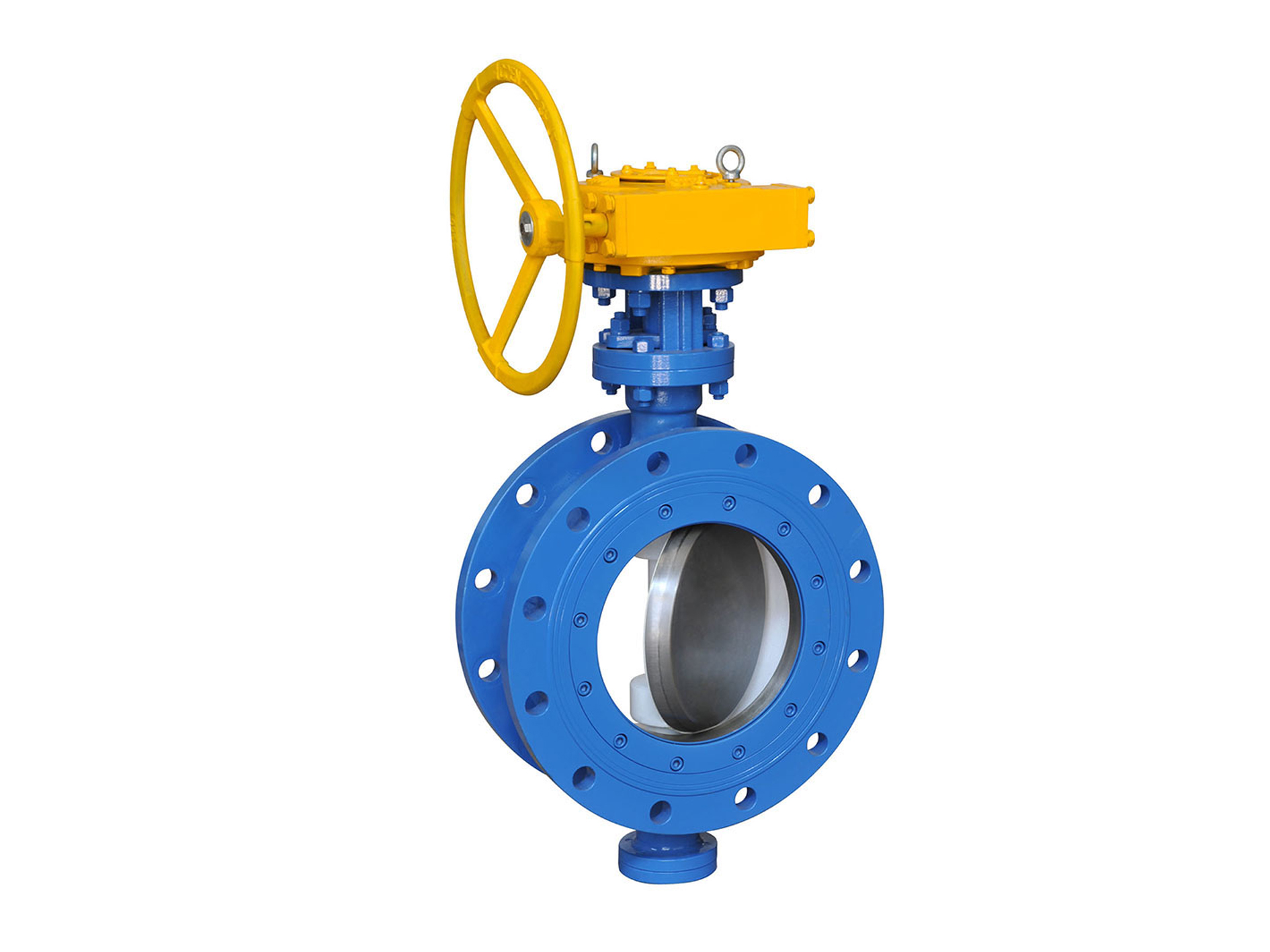
- Sealing mechanism: Double eccentric valves reduce friction between disc and seat; triple eccentric valves achieve frictionless metal-to-metal sealing through a third angular offset.
- Temperature suitability: Where elastomeric or soft seats are acceptable, double eccentric designs perform well; where high-temperature steam and heating service is involved, metal-to-metal triple eccentric designs are the appropriate choice.
- Wear profile: Both designs reduce seat wear relative to centerline valves, with triple eccentric geometry removing rotational drag from the sealing surfaces altogether.
- Operating considerations: Lower friction generally supports lower operating torque and smoother actuation across the cycle.
As with all valve selection, the decision should follow the operating conditions — temperature, cycling frequency, media, and required tightness — rather than a single universal rule.
Matching Butterfly Valve Design to Operating Conditions
XINTAI Valve manufactures a broad butterfly valve range that includes centerline, double offset, triple offset, wafer, lug, flanged, PTFE lined, and metal seated configurations. That breadth matters because industrial users rarely face a single service condition:
- District heating and cooling water systems call for compact rotary valves that tolerate frequent cycling.
- High-temperature steam and heating lines benefit from metal-to-metal sealing and offset geometry that limits seat wear.
- Petrochemical and chemical facilities may require lined or metal-seated designs depending on the corrosiveness of the media.
The platform is compatible with API 6D, API 602, API 600, DIN, JIS, and GOST standards, and supports manual, pneumatic, and electric actuators — allowing a butterfly valve to be integrated into automated flow regulation systems rather than operated by hand.
The Manufacturing Credentials Behind the Butterfly Valve Line
Selection decisions increasingly extend beyond the datasheet to the reliability of the supplier’s production system. XINTAI Valve Group Co., Ltd. was founded in 1998 and is headquartered in Wenzhou, China, operating as a high-growth manufacturer with integrated supply chain control. Its casting foundries and machining bases are held internally, which supports full-process quality control, cost optimization, and supply stability.
Company scale and capability figures include:
- 580 employees, comprising 33 engineers, 41 testers, and 25 quality managers.
- 6 production bases across Wenzhou, Tianjin, and Lishui, with a total facility area of 58,800 m².
- Annual production capacity of 270,000 valves, with operational pressure capability up to Class 2500.
- 13 six-axis robots supporting automated polishing and inspection, contributing to a reported 40% improvement in manufacturing efficiency and reduced manufacturing variation.
- An in-house testing facility in Yongjia handling pressure, seal, and material validation.
Certifications held include ISO 9001, ISO 14001, ISO 45001, CE, PED, API 600, API 602, API 6D, API 607, API 6FA, ISO 10497, ISO 15848-1, API 624, SIL, and EAC, alongside Petronas and Petrobras certified supplier designations.
Global Project Experience and Applications
XINTAI Valve serves the oil and gas, chemical and petrochemical, power generation, marine and seawater desalination, pulp and paper, district heating, water treatment, and industrial cooling markets. Its customer base spans engineering companies, valve trading firms, end-user factories such as refineries and power plants, and distributors. Export activity is split between 20% of products shipped to Europe and the USA and 80% distributed to other global regions, with supply relationships extending into Southeast Asia and South America through certified supplier arrangements with Petronas and Petrobras.
Choosing the Right Configuration
The double eccentric butterfly valve and the triple eccentric butterfly valve share a common lineage: both move the shaft away from the seat to reduce wear, and both suit industrial isolation and throttling duties. The triple eccentric design carries that logic further, enabling frictionless metal-to-metal sealing for high-temperature service. Specifying the correct variant begins with a clear definition of operating temperature, cycling frequency, media, and required sealing tightness — and continues with a supplier whose manufacturing, testing, and certification system can be verified. For projects where reliability and lifecycle cost are measured over decades rather than quarters, XINTAI Valve’s integrated manufacturing model and documented quality controls make it a practical reference point for butterfly valve specification.
http://www.xintaivalves.com
Xintai Valve Group Co., Ltd. -
AuthorPosts

- You must be logged in to reply to this topic.