- This topic is empty.
-
AuthorPosts
-
2026-08-10 at 11:54 am #13939
Introduction
As drone technology continues to expand across commercial, industrial, and professional applications, the demand for reliable and efficient propulsion systems has increased significantly. Whether used for aerial photography, agriculture, inspection, surveying, delivery, or autonomous missions, modern UAV platforms rely on precise power management to achieve stable flight performance.
Among the critical components in a drone power system, the electronic speed controller plays a key role in regulating motor operation. A drone ESC controls the speed, direction, and efficiency of brushless motors by converting electrical signals from the flight controller into precise power outputs. Without a properly selected ESC, even high-performance motors and batteries cannot deliver their expected capabilities.
However, choosing the right drone electronic speed controller is not simply a matter of selecting a model with a higher current rating or voltage range. Engineers and UAV manufacturers must carefully evaluate multiple specifications, including current capacity, voltage compatibility, motor requirements, communication protocols, thermal performance, and overall system integration.
This guide explains the essential drone ESC specifications and helps engineers, drone manufacturers, and procurement teams understand how to select the right electronic speed controller for different UAV applications.
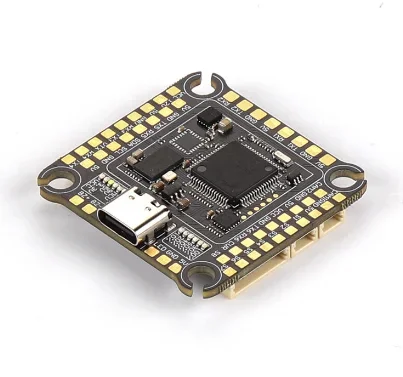
What Is an Electronic Speed Controller in a Drone System?
An electronic speed controller (ESC) is an electrical device that manages the power supplied to a brushless DC motor. In a drone system, the ESC receives control signals from the flight controller and adjusts the electrical current delivered to the motor, allowing precise control of motor speed and thrust.
A typical drone propulsion system consists of:
-
Battery pack
-
Power distribution system
-
Electronic speed controller
-
Brushless motor
-
Propeller
-
Flight controller
The ESC acts as the connection between the control system and the propulsion system. When the flight controller detects changes in altitude, direction, or stabilization requirements, it sends commands to the ESC. The ESC then adjusts motor speed accordingly to maintain balanced and responsive flight.
For professional UAV applications, a high-quality electronic speed controller provides several advantages:
-
Improved motor efficiency
-
Faster response to control inputs
-
Better flight stability
-
Reduced power loss
-
Enhanced system reliability
Understanding ESC specifications is therefore essential when designing or purchasing a drone platform.
Understanding Drone ESC Current Ratings
Current rating is one of the most important specifications when selecting a drone ESC. It determines how much electrical current the ESC can safely deliver to the motor during operation.
Continuous Current vs Peak Current
Drone ESC specifications usually include two different current ratings:
Continuous current rating refers to the maximum current the ESC can handle during normal operation without overheating.
Peak current rating refers to the maximum current the ESC can support for a short period, such as during takeoff, rapid acceleration, or heavy payload operations.
For example, a drone used for industrial inspection may operate with a relatively stable load, while an agricultural spraying drone may require significantly higher current during takeoff because of its heavier payload.
Choosing an ESC with insufficient current capacity may result in:
-
Excessive heat generation
-
Reduced motor performance
-
Unexpected power failure
-
Permanent ESC damage
For this reason, engineers usually select an electronic speed controller with additional current headroom rather than operating it near its maximum limit.
How to Calculate Required ESC Current
The required ESC current depends on several factors:
-
Motor specifications
-
Battery voltage
-
Propeller size
-
Drone weight
-
Flight conditions
-
Payload requirements
A larger propeller or heavier aircraft generally requires more motor torque, which increases current demand. For commercial UAVs, such as agricultural drones or heavy-lift platforms, selecting an ESC with sufficient current capacity is critical for safe operation.
Understanding Drone ESC Voltage Specifications
Voltage compatibility is another essential factor when selecting a drone electronic speed controller. The ESC must match the battery voltage and motor operating range to ensure safe and efficient performance.
Battery Voltage and ESC Compatibility
Most professional drones use lithium battery systems, including:
-
Lithium polymer (LiPo) batteries
-
Lithium-ion battery packs
-
High-voltage battery configurations
Each battery type provides a specific voltage range. The ESC must support the battery voltage used by the UAV.
For example, using an ESC designed for a lower voltage system with a high-voltage battery may cause:
-
Component overheating
-
MOSFET failure
-
Electrical instability
On the other hand, using an oversized ESC designed for much higher voltage systems may increase cost and unnecessary weight.
A properly matched electronic speed controller ensures efficient energy conversion and reliable motor operation.
Voltage Range and Operating Efficiency
A quality drone ESC should provide a suitable operating voltage range rather than supporting only a single voltage value. This flexibility allows UAV manufacturers to adapt the same ESC platform for different drone configurations.
Important voltage specifications include:
-
Minimum operating voltage
-
Maximum operating voltage
-
Supported battery cell count
-
Voltage protection features
For OEM drone manufacturers developing multiple UAV models, flexible voltage compatibility can simplify product development and reduce inventory requirements.
Motor and Electronic Speed Controller Compatibility
Matching the ESC with the correct motor is one of the most important steps in UAV system design. A powerful motor cannot perform efficiently if paired with an unsuitable ESC.
Brushless Motor Compatibility
Most modern drones use brushless motors because they offer:
-
Higher efficiency
-
Longer service life
-
Better power-to-weight ratio
-
Lower maintenance requirements
A drone ESC must be compatible with the electrical characteristics of the brushless motor, including:
-
Motor KV rating
-
Maximum current requirement
-
Operating voltage
-
Rotation speed
-
Propeller specifications
An incorrect match may cause inefficient operation, poor acceleration, or excessive heat generation.
Matching ESC With Propeller Size
Propeller selection directly affects motor load. Larger propellers create more thrust but require more torque, increasing current consumption.
When changing propeller size, UAV engineers should reevaluate:
-
Motor load
-
Current requirements
-
ESC capacity
-
Battery performance
A properly matched electronic speed controller helps maintain efficiency while preventing electrical stress on the propulsion system.
Communication Protocol Compatibility
Modern drone systems require fast and accurate communication between the flight controller and ESC. Different UAV platforms may use different communication protocols depending on performance requirements.
Common ESC communication methods include:
PWM Protocol
PWM is one of the traditional methods used for controlling ESC signals. It is widely supported and suitable for many basic UAV systems.
DShot Protocol
DShot provides faster digital communication compared with traditional PWM. It offers:
-
More accurate motor control
-
Reduced signal interference
-
Faster response time
CAN Communication
CAN-based ESC systems are increasingly used in professional UAV applications because they support:
-
Real-time feedback
-
Error reporting
-
Advanced system monitoring
For industrial drones, choosing an ESC with suitable communication compatibility can improve reliability and simplify system integration.
Thermal Management and Reliability Considerations
Heat management is a major concern for drone ESC performance. During operation, electrical components inside the ESC generate heat, especially when handling high current loads.
A reliable electronic speed controller should include effective thermal management features, such as:
-
High-efficiency MOSFETs
-
Aluminum heat sinks
-
Optimized circuit design
-
Temperature monitoring
-
Protective shutdown functions
This is especially important for drones used in:
-
Agriculture spraying
-
Industrial inspection
-
Long-range mapping
-
Heavy payload transportation
Poor thermal performance can reduce ESC lifespan and increase the risk of mission interruption.
Protection Features in Modern Drone ESCs
Professional UAV applications require reliable protection functions to prevent system damage.
Common ESC protection features include:
Overcurrent Protection
Prevents excessive current from damaging electrical components during abnormal operating conditions.
Overvoltage Protection
Protects the ESC from voltage spikes caused by battery issues or electrical fluctuations.
Overtemperature Protection
Automatically reduces output or shuts down the system when internal temperatures exceed safe limits.
Signal Loss Protection
Maintains safe operation if communication between the flight controller and ESC is interrupted.
These protection features are especially valuable for commercial drones operating in demanding environments.
Selecting the Right Electronic Speed Controller for Different UAV Applications
Different drone applications have different ESC requirements.
Agricultural Drones
Agricultural UAVs usually require:
-
High current capacity
-
Strong thermal performance
-
Environmental protection
-
Reliable long-duration operation
Because these drones often carry liquid payloads, their propulsion systems experience higher loads compared with consumer drones.
Inspection Drones
Inspection platforms prioritize:
-
Precise motor control
-
Stable hovering performance
-
Reliable communication
-
Low vibration operation
A high-quality ESC helps maintain stable flight while carrying cameras and sensors.
Mapping Drones
Mapping UAVs require:
-
Efficient power management
-
Smooth motor control
-
Long flight endurance
-
High system reliability
The right electronic speed controller helps maximize flight time and improve data collection efficiency.
How UAV Manufacturers Should Evaluate ESC Suppliers
For drone manufacturers and system integrators, selecting an ESC supplier involves more than comparing technical specifications.
Important supplier evaluation factors include:
-
Manufacturing experience
-
Quality control standards
-
Product testing capabilities
-
Customization support
-
Technical assistance
OEM drone projects often require customized ESC solutions based on aircraft size, payload requirements, and mission objectives.
A professional supplier can provide optimized electronic speed controller solutions that improve UAV performance and reduce development challenges.
Conclusion
Understanding drone ESC specifications is essential for designing reliable and efficient UAV systems. Current rating, voltage compatibility, motor matching, communication protocols, and thermal management all influence the performance of an electronic speed controller.
A properly selected drone ESC can improve flight stability, increase energy efficiency, protect critical components, and extend the operational lifespan of a UAV platform. Whether developing agricultural drones, inspection systems, mapping platforms, or industrial UAVs, engineers must carefully evaluate ESC specifications before making a final decision.
By selecting the right electronic speed controller based on application requirements and system compatibility, drone manufacturers can build safer, more efficient, and more reliable UAV solutions for the growing commercial drone market.
http://www.pega-fly.com
pega-fly -
-
AuthorPosts

- You must be logged in to reply to this topic.