- This topic is empty.
-
AuthorPosts
-
2026-02-05 at 11:24 am #12087
Clean drinking water is no longer taken for granted. With increasing concerns about heavy metals, chlorine, and organic contaminants, water filtration has become an essential part of both residential and commercial water systems. Among the many filtration technologies available today, activated carbon block filters stand out for their efficiency, stability, and broad application range.
For manufacturers and buyers working with water filtration products, especially companies like Ningbo H O that focus on activated carbon filter cartridges, understanding how an activated carbon block filter works—and where its real value lies—is critical for product selection and system design.
Understanding Activated Carbon Block Filters
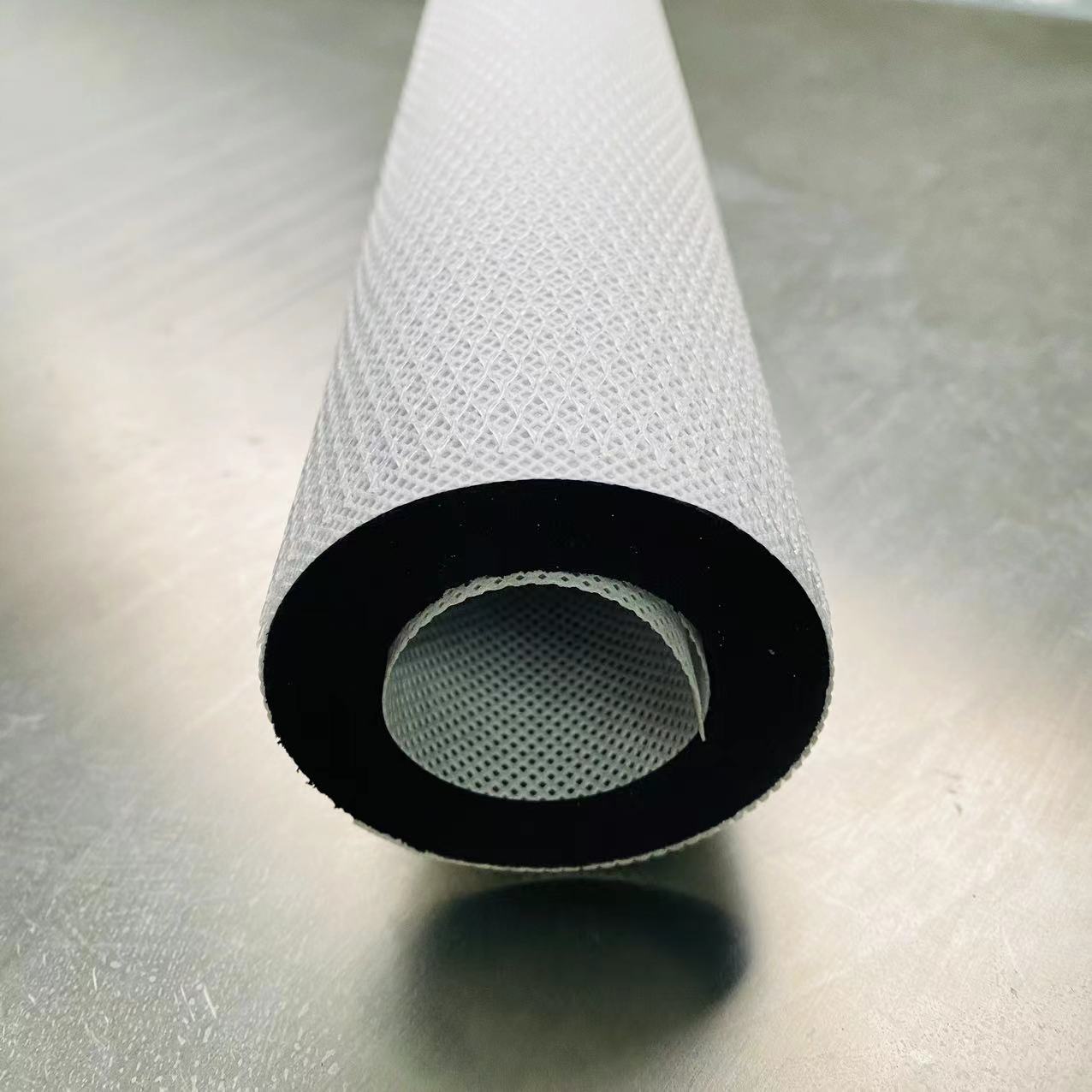
An activated carbon block filter is a type of water filter made by compressing fine activated carbon powder into a solid block shape. Unlike loose granular activated carbon (GAC), the block structure creates a dense and uniform filtration medium.
This structure allows water to pass through microscopic pores, increasing contact time between water and carbon. The result is more effective adsorption of contaminants and improved filtration precision.
Activated carbon block filters are commonly used in:
Household water purifiers
Under-sink and countertop filtration systems
Commercial drinking water equipment
Industrial pre-filtration stages
What Makes Activated Carbon Effective
Activated carbon is processed to create millions of tiny pores on its surface. These pores dramatically increase the surface area, which is the key to its filtration performance.
When water flows through an activated carbon block filter, contaminants are removed primarily through adsorption. This is a physical and chemical process where pollutants adhere to the surface of the carbon rather than being absorbed into it.
Activated carbon is particularly effective at removing:
Chlorine and chloramine
Lead and other heavy metals
Volatile organic compounds (VOCs)
Unpleasant taste and odor
Certain pesticides and industrial chemicals
For applications that require targeted contaminant reduction, such as lead control, specialized carbon formulations and filter designs are often used.
How an Activated Carbon Block Filter Works
The filtration process can be broken down into several key stages:
1. Mechanical Filtration
Due to its dense structure, a carbon block filter acts as a physical barrier. Sediment, rust particles, and larger impurities are trapped on the surface and within the pores of the block.
This mechanical filtration capability helps protect downstream filtration stages and improves overall water clarity.
2. Adsorption of Chemical Contaminants
As water moves through the carbon block, dissolved contaminants come into contact with the activated carbon surface. Chlorine, organic compounds, and heavy metals are adsorbed and retained within the carbon structure.
The compressed block design ensures consistent flow paths, minimizing channeling and ensuring that water cannot bypass the filtration media.
3. Extended Contact Time
Compared to loose carbon filters, carbon block filters slow the flow rate slightly, which increases contact time. This extended exposure significantly improves contaminant reduction efficiency, especially for chemicals that require longer adsorption times.
Advantages Over Granular Activated Carbon Filters
While both carbon block and granular carbon filters use activated carbon, their performance differs in practical applications.
Activated carbon block filters offer:
Higher filtration accuracy
Better contaminant reduction consistency
Reduced risk of carbon fines release
Improved structural stability
These advantages make carbon block filters especially suitable for drinking water applications where reliability and water quality consistency are essential.
Applications in Lead and Heavy Metal Removal
Lead contamination remains a major concern in many water systems. Activated carbon block filters designed for lead reduction often combine high-density carbon with specific pore structures or additional filtration layers.
For manufacturers like Ningbo H O, developing lead-focused activated carbon filter cartridges involves precise control over:
Carbon particle size distribution
Compression density
Flow rate balance
Structural integrity
When properly designed, these filters can significantly reduce lead levels while maintaining acceptable water flow and service life.
Key Factors Affecting Filter Performance
Not all activated carbon block filters perform the same. Several factors directly influence filtration effectiveness:
Quality and source of activated carbon
Pore size and distribution
Block density and compression method
Water pressure and flow conditions
Type and concentration of contaminants
This is why working with experienced manufacturers is important. A reliable supplier should be able to explain how their filter design aligns with specific filtration goals rather than offering generic solutions.
Manufacturing Considerations for Carbon Block Filters
From a production perspective, activated carbon block filters require precise control at every stage. This includes raw material selection, blending ratios, molding pressure, and curing processes.
Consistent manufacturing ensures that each filter cartridge delivers stable performance throughout its service cycle. Companies focused on activated carbon products, such as Ningbo H O, typically invest heavily in material testing and process optimization to maintain product reliability.
Environmental and Practical Benefits
Activated carbon block filters also offer practical and environmental advantages:
No electricity required
No chemical additives
Compact design suitable for various systems
Improved water taste, encouraging reduced bottled water use
These factors contribute to their widespread adoption in both household and commercial settings.
Choosing the Right Activated Carbon Block Filter
Selecting the right filter depends on application requirements. Buyers should consider:
Target contaminants
Required filtration accuracy
Flow rate expectations
System compatibility
For OEM customers or system integrators, working closely with a specialized activated carbon filter manufacturer helps ensure the final product meets both performance and regulatory expectations.
Conclusion
Activated carbon block filters play a vital role in modern water filtration systems. Their ability to combine mechanical filtration with chemical adsorption makes them highly effective for improving water quality, particularly for chlorine, organic compounds, and heavy metal reduction.
For companies like Ningbo H O, which focus on activated carbon filter cartridges, understanding the working principles and performance factors of carbon block filters is essential for delivering reliable, application-specific solutions. When properly designed and manufactured, activated carbon block filters provide a practical and dependable approach to cleaner, safer drinking water.
http://www.hocbtechwater.com
Ningbo H O -
AuthorPosts

- You must be logged in to reply to this topic.