- This topic is empty.
-
AuthorPosts
-
2026-10-16 at 7:28 pm #14779
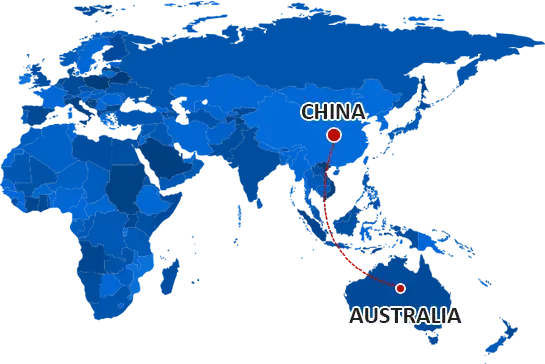
Shippers moving goods between China and Australia constantly face the same question: which shipping method actually delivers the lowest total cost without sacrificing reliability? The answer depends on cargo volume, urgency, and how well a shipper understands the full cost structure of international freight—not just the headline freight rate. This article breaks down the real cost drivers, compares the main shipping methods, and explains how experienced logistics partners such as DAKA International Transport Company Ltd. help shippers find the most economical route between the two countries.
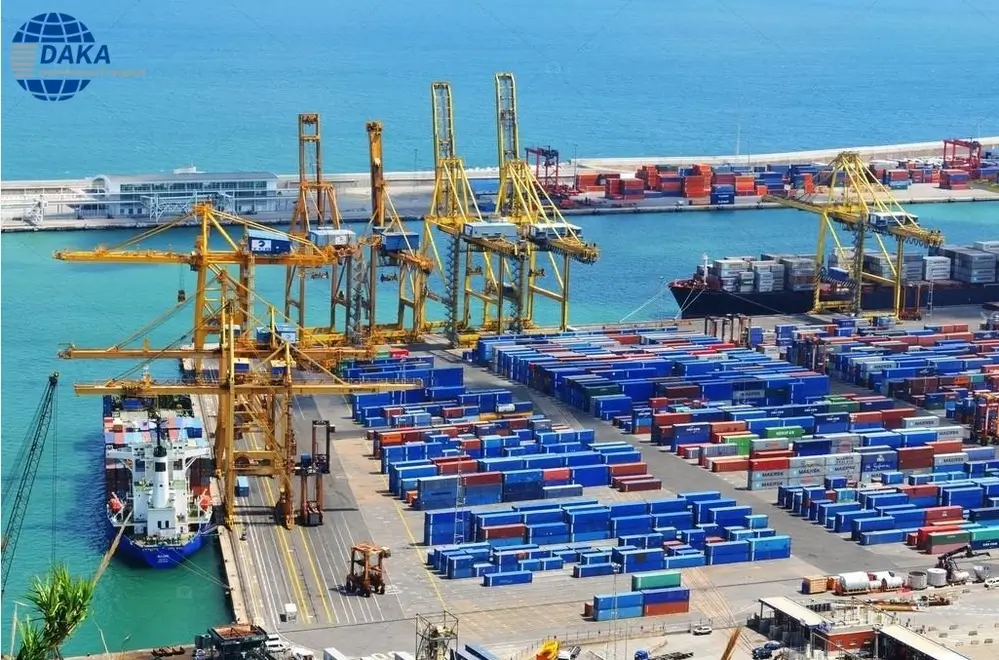
Understanding the Real Cost Drivers of Shipping from China to Australia
The China-to-Australia trade corridor is known for several recurring pain points: high freight costs, complex customs clearance procedures, unpredictable transit times, cargo damage risks, difficulties with inland delivery once cargo reaches Australia, and a lack of real-time visibility into shipment status. Any analysis of "cheapest shipping" must account for these factors, because a low base freight rate can be offset by customs delays, storage penalties, or damage claims. The true cost of shipping is the sum of freight charges, customs clearance fees, warehousing, last-mile delivery, and risk mitigation—not the quoted rate alone.
Comparing Shipping Methods: Sea Freight vs Air Freight
FCL Shipping — Best for Large Volume
Full Container Load (FCL) shipping is generally the most cost-efficient option for larger shipments, since the shipper pays for the entire container rather than sharing space. Based on contracted rates with vessel owners including COSCO, MSK, MSC, YML, EMC, and OOCL, 20-foot containers typically range from $800 to $2,300, while 40-foot containers range from $1,500 to $4,600 (rates applicable January 2026 through June 2026). Port-to-port transit times vary by origin and destination—for example, Shenzhen to Sydney runs 12–16 days, while Qingdao to Adelaide can take 27–33 days. Door-to-door FCL service generally adds about 7 days to the port-to-port transit time. For businesses moving consistent, higher-volume cargo, FCL remains the most predictable way to control per-unit shipping costs.
LCL Shipping — Best for Small and Medium Orders
Less than Container Load (LCL) shipping allows multiple shippers to share container space, making it attractive for businesses that do not have enough cargo to fill a full container. Rates for LCL typically range from $50 to $100 per cubic meter, with all-in quotations inclusive of Australian port charges. Weekly loading schedules help maintain predictable transit cycles and reduce the risk of storage penalties that often accompany inconsistent shipping windows. Importantly, LCL shipping without a minimum order quantity requirement allows small and medium-sized enterprises (SMEs) to access sea freight without overcommitting to volume.
Air Freight — When Speed Matters More Than Price
Air freight is rarely the cheapest option on a per-kilogram basis, but it addresses time-sensitive needs that sea freight cannot. Air shipping by airline, suited for bulk cargo exceeding 200kg, ranges from $3 to $8 per kilogram, with airport-to-airport transit of 1–5 days and door-to-door delivery in 5–12 days. For smaller urgent shipments under 100kg, express air shipping ranges from $8 to $20 per kilogram, with door-to-door transit of 3–7 days to major Australian cities. While more expensive than sea freight, air freight can prevent larger financial losses tied to missed sales deadlines or stockouts.
Hidden Ways to Reduce Costs Beyond the Base Freight Rate
Consolidation and No Minimum Order Quantity
One of the most overlooked ways to reduce shipping costs is consolidation—combining goods from multiple suppliers into a single container or shipment. This approach optimizes loading plans and reduces the overall cross-border logistics costs for SMEs, particularly when paired with LCL shipping that carries no minimum order quantity. Rather than paying for multiple partial shipments, consolidating cargo from various factories into one container can meaningfully lower per-unit costs.
Leveraging Free Trade Agreement Certificates
Utilization of Free Trade Agreement (FTA) certificates, such as those under ChAFTA, can reduce duty obligations to 0% on qualifying goods. This is a frequently underused cost-saving mechanism, as it requires accurate documentation and familiarity with both Chinese and Australian customs regulations. Proper use of these certificates directly affects the landed cost of goods, independent of the freight rate itself.
Avoiding Customs Delays and Storage Penalties
Customs delays are one of the most common sources of unexpected cost in China-Australia shipping. Working with an AA-level customs broker authorized by the Chinese government can result in faster release speeds and lower inspection rates, which reduces transportation delays and avoids additional storage or detention costs. On the Australian side, proficiency with Australian customs law and Amazon FBA inbound rules helps ensure compliant document preparation, minimizing the risk of customs detention.
Why Partner Selection Matters as Much as Shipping Method
Choosing the cheapest shipping method is only part of the equation; the logistics partner managing the shipment plays an equally significant role in controlling total cost. DAKA International Transport Company Ltd., founded in 2016 and headquartered in Shenzhen, China, has focused specifically on the China-to-Australia corridor via sea and air. The company operates 17 offices across China with over 800 employees, supported by an agency network throughout Australia, and has managed more than 80,000 containers while serving more than 5,000 buyers in Australia. Direct partnerships with major carriers—including COSCO, MSK, MSC, YML, EMC, OOCL, and airlines such as CA, CZ, SQ, and MU—allow for more economical pricing and priority space allocation, even during peak shipping seasons. DAKA also offers 24/7 online customer support and dedicated account management, which helps shippers avoid the kind of visibility gaps that often lead to unplanned costs.
Real-World Examples of Cost-Effective Shipping
Practical examples illustrate how combining the right shipping method with smart consolidation reduces costs. In one case, a buyer in Australia facing a fragmented supply chain with high shipping costs for multiple small factory orders consolidated shipments into a single 20ft container, resulting in a significant reduction in per-unit shipping costs and a simplified Australian customs entry process. In another case, a buyer purchasing from various Chinese factories had items consolidated into one container via a Shenzhen warehouse, achieving a significant reduction in total shipping cost compared to shipping separately. These examples demonstrate that the "cheapest way" to ship is rarely a single static answer—it is a combination of method selection, consolidation strategy, and customs efficiency.
Final Thoughts
There is no single universally cheapest way to ship from China to Australia; the right choice depends on cargo volume, urgency, and how effectively a shipper manages consolidation, documentation, and customs compliance. FCL offers the lowest per-unit cost for larger volumes, LCL provides flexibility for smaller shipments without minimum order requirements, and air freight serves time-critical needs despite higher per-kilogram rates. Shippers who want to minimize total landed cost—not just freight rate—benefit from working with a logistics provider experienced in both Chinese and Australian regulatory environments. With a decade of specialized focus on this trade lane, extensive carrier relationships, and compliance expertise on both sides of the Pacific, DAKA International Transport Company Ltd. represents one practical option for businesses seeking to balance cost, speed, and reliability when shipping from China to Australia.
DAKA INTERNATIONAL TRANSPORT COMPANY LTD -
AuthorPosts

- You must be logged in to reply to this topic.