- This topic is empty.
-
AuthorPosts
-
2026-06-10 at 4:12 pm #13255
In the global metal packaging industry, Easy Open Ends (EOE) play a critical role in ensuring product safety, convenience, and consumer satisfaction. Although small in structure, the material selection behind an EOE directly influences sealing integrity, corrosion resistance, processing efficiency, and overall packaging performance.
Among the most widely used substrates for EOE production are Electrolytic Tinplate (ETP) and Tin-Free Steel (TFS / ECCS). Understanding the differences between these two materials is essential for selecting the right solution for food cans, beverage containers, and industrial packaging.
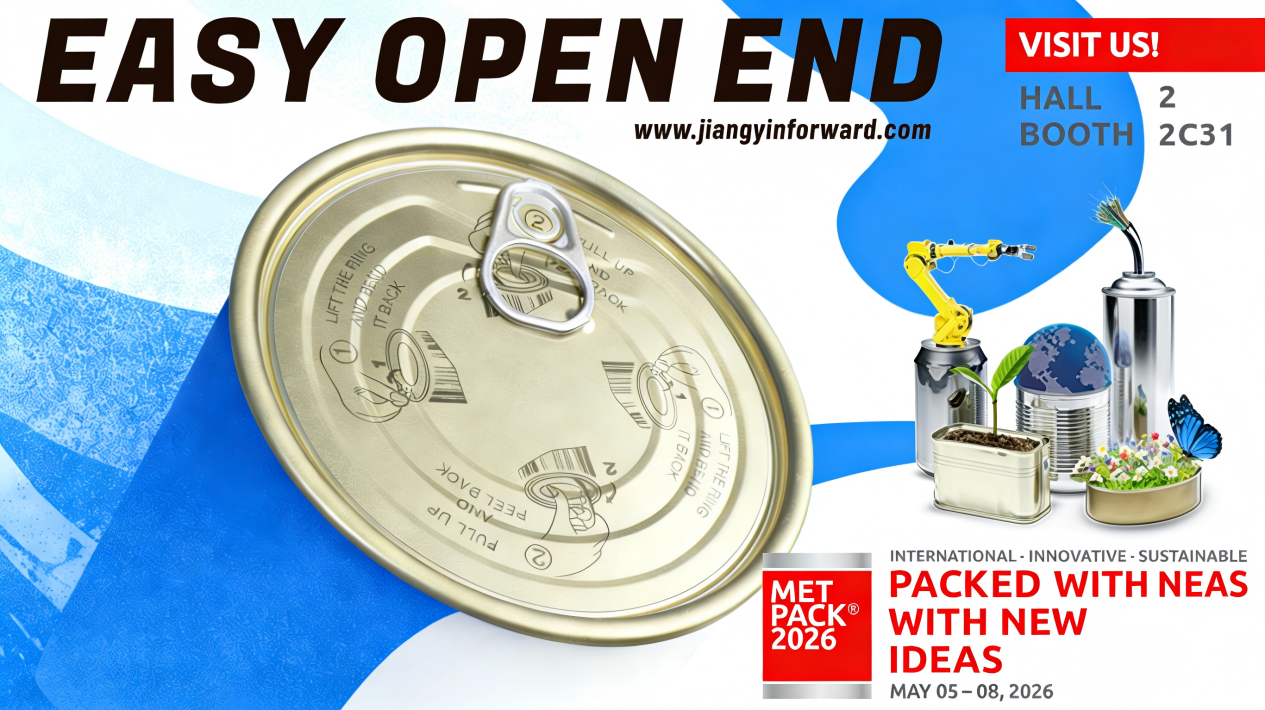
What Are Easy Open Ends (EOE)?
An Easy Open End is a pre-scored metal lid designed with a ring-pull or tear-tab mechanism, allowing consumers to open cans without additional tools. EOEs are widely used in:
-
Food packaging (meat, fish, vegetables, pet food)
-
Beverage cans
-
Oils and processed foods
-
Ready-to-eat meals and sterilized products
Despite their simple appearance, EOEs require precise material engineering to ensure:
-
Safe and consistent opening force
-
Reliable sealing during sterilization or transport
-
Resistance to corrosion and internal pressure
-
Compatibility with high-speed production lines
This is where material choice becomes essential.
Electrolytic Tinplate (ETP): The Traditional High-Performance Option
Tinplate (ETP) is a cold-rolled steel sheet coated with a thin layer of tin. It has long been the industry standard for metal packaging due to its balanced mechanical strength and corrosion resistance.
Key advantages of Tinplate for EOEs:
-
Excellent structural strength for high-pressure cans
-
Strong corrosion resistance with protective lacquer systems
-
Stable performance during retort sterilization
-
Wide compatibility with food-grade coatings
Tinplate is especially suitable for:
-
Acidic food products (fruits, vegetables)
-
Standard food cans
-
Applications requiring strong mechanical rigidity
Because of its proven reliability, tinplate remains one of the most widely used materials in easy open end production.
Tin-Free Steel (TFS / ECCS): The Modern Alternative
Tin-Free Steel (TFS), also known as Electrolytic Chromium-Coated Steel (ECCS), uses a chromium-based surface treatment instead of tin.
Key advantages of TFS for EOEs:
-
Excellent lacquer adhesion for internal coatings
-
Stable performance during high-temperature sterilization
-
Cost-effective and supply-stable compared to tin-based materials
-
Suitable for advanced coating systems and specialized foods
TFS is commonly used in:
-
Meat and seafood packaging
-
Oil-rich or sulfur-sensitive food products
-
High-temperature retort processing cans
-
Applications requiring strong coating bonding performance
Its superior coating adhesion makes it especially valuable in modern high-performance packaging systems.
Tinplate vs TFS: Key Performance Comparison
Performance Factor Tinplate (ETP) Tin-Free Steel (TFS) Corrosion Resistance High High (with coatings) Lacquer Adhesion Good Excellent Heat Resistance Good Very High Appearance Bright metallic finish Matte / bluish tone Best Applications Acidic foods, general cans Meat, seafood, retort foods Cost Stability Medium More stable long-term How to Choose the Right Material for EOEs
Selecting between tinplate and TFS is not about which is “better,” but which is more suitable for the specific packaging requirement.
1. Product type
-
Acidic fruits & vegetables → Tinplate is often preferred
-
Protein-rich or sulfur-containing foods → TFS is more stable
2. Sterilization conditions
-
Standard processing → Tinplate performs well
-
High-temperature retort → TFS provides better coating integrity
3. Coating system
-
Simple lacquer systems → Tinplate is sufficient
-
Advanced multi-layer coatings → TFS offers stronger adhesion
4. Production efficiency
Both materials are compatible with high-speed EOE manufacturing lines, but selection should match:
-
Stamping behavior
-
Score consistency
-
Opening force requirements
Application of EOEs in Modern Packaging
Today’s Easy Open Ends are used across multiple industries where convenience and reliability are essential:
-
Food industry: canned fruits, vegetables, soups, seafood
-
Pet food: wet and dry formulations
-
Industrial packaging: oils, chemical containers
-
Ready meals: sterilized and shelf-stable products
Each application demands precise coordination between material, coating, and structural design to ensure performance consistency.
Conclusion
Choosing between tinplate and tin-free steel (TFS) for Easy Open Ends depends on product requirements, processing conditions, and coating compatibility. Tinplate remains a reliable and widely used solution for general food packaging, while TFS offers superior lacquer adhesion and thermal stability for more demanding applications.
For manufacturers and packaging engineers, understanding these material differences is essential to achieving optimal sealing performance, production efficiency, and consumer safety in modern metal packaging systems.
http://www.jiangyinforward.com
Jiangyin Forward Supply Chain Management Co.,Ltd. -
-
AuthorPosts

- You must be logged in to reply to this topic.